






The last quarter of the year can feel like a pressure chamber. Teams are juggling deadlines, completing year-end reviews, planning for next year, and navigating personal responsibilities outside of work. Even high-performing employees begin to show signs of fatigue, emotional distance, or slower engagement.
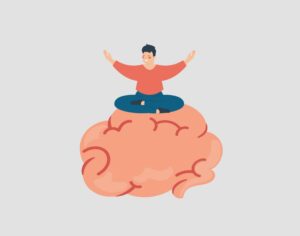
Leaders often interpret these shifts as a drop in effort. In reality, something is happening inside the brain, specifically within the habenula, a tiny structure in our brains that plays a surprisingly large role in team motivation. Understanding how it works can help leaders support their workforce during the moments when pressure peaks.
What Happens When the Habenula Hits in the Workplace
The habenula acts like a brake in the motivation system. When the brain senses repeated stress, disappointment, or perceived failure, this region lights up and reduces dopamine availability, the chemical that drives learning, motivation, and forward progress.
In everyday workplace terms, this shows up as:
- Difficulty initiating tasks
- Reduced interest in collaborative work
- Shorter attention spans
- A sense of emotional heaviness
These patterns often appear in Q4, when teams have been managing cumulative pressure for months. Performance expectations don’t decrease, but the brain’s capacity to push through intense stress does. Employees may begin to conserve energy, withdraw from optional projects, or behave more cautiously in meetings.
Leaders sometimes misread these signs as disengagement, lack of initiative, or poor commitment. What’s actually happening is a biological response: the habenula is attempting to protect the brain from further strain. When fear, pressure, or chronic stress dominate the workplace environment, the internal motivation system slows down, regardless of someone’s dedication or talent.
Organizational Costs of an Overactive Habenula
When stress accumulates without meaningful recovery, teams shift into patterns that can quietly reshape organizational performance.
Lower Creativity
The brain becomes more risk-averse in response to sustained stress. Employees generate fewer innovative ideas because the nervous system prioritizes safety over exploration.
Decreased Problem-Solving Capacity
With the motivation system inhibited, cognitive flexibility drops. Teams stick to familiar approaches, even when new thinking is needed.
Reduced Collaboration
Stress narrows attention, making people less emotionally available. This impacts communication, cross-functional work, and relationship-building.
Short-Term Thinking
When the habenula remains active, the brain tends to prioritize immediate relief over strategic progress. This can affect planning, decision-making, and long-term initiatives.
Higher Turnover Intentions
Employees who feel exhausted or under-recognized begin to explore other options. Not because they want to leave, but because their motivation pathways no longer feel supported.
Each of these outcomes is costly. Together, they create a workplace climate where effort remains high, but momentum fades. Leaders who understand the habenula’s impact gain insight into why traditional year-end pushes often deliver diminishing returns.
How Leaders Can Help Teams Reset Their Motivation System
There is good news: the habenula is responsive to shifts in environment and experience. With the right leadership practices, organizations can help teams recalibrate their motivation system, even during intense periods.
Recognition Rituals Rooted in Neuroscience
When teams see their effort acknowledged in meaningful ways, whether through public praise, written reflections, or private appreciation, the brain reinforces motivation pathways. Recognition that highlights adaptability, persistence, or strategic thinking has an especially strong impact.
Workload and Workflow Adjustments That Restore Reward Learning
Temporary recalibration of expectations, clearer prioritization, and structured pauses for integration give the brain space to recover. When people can complete tasks without constant threat pressure, the reward system regains its balance.
Normalizing The Emotional Cycle of the Year
Q4 has a specific rhythm. There is a sense of urgency, fatigue, and a desire for closure. Naming this openly reduces internalized pressure. Teams feel more grounded when leaders acknowledge that it’s normal to experience shifting levels of energy.
Language That Activates Curiosity
Fear-based communication, such as tight deadlines framed as danger, aggressive reminders, and all-or-nothing framing, can intensify habenula activation. Curiosity-based language encourages exploration: What are we learning? What feels most important? What can we adjust? This tone unlocks motivation instead of constricting it.
Fresh Tri’s Iterative Mindset Method™ reinforces these principles by teaching individuals and organizations how to experiment, adapt, and keep moving without fear of failure. This approach aligns directly with how the brain sustains long-term progress, especially during demanding seasons.
The Leadership Shift That Rebuilds Motivation
Understanding the habenula gives leaders a clearer lens for interpreting team behavior during periods of stress. Fatigue, slower engagement, and emotional distance are signals that the brain is trying to protect itself.
When organizations recognize these signals, they can respond with practices that restore motivation rather than erode it. Year-end success becomes a product of resilience, grounded leadership, and environments that support the brain’s natural drive to learn and improve.
The most energized teams in Q1 are built by leaders who understand what the habenula costs, and who choose to lead in ways that help their people recover it.