



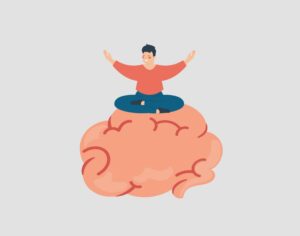



What if the true signs of success weren’t exhaustion, pressure, or perfection, but curiosity, engagement, and joy?
For many of us, success has long been measured by how much we can push, hustle, or sacrifice. But neuroscience tells a different story: lasting success is built from safety, connection, and positive emotion. Stress just slows our process.
These “success signals” are biological markers that your brain is learning, growing, and creating new pathways that support sustainable performance. When you tune into them, you unlock a healthier, more joyful way to achieve success that lasts.
Recognize Success Signals
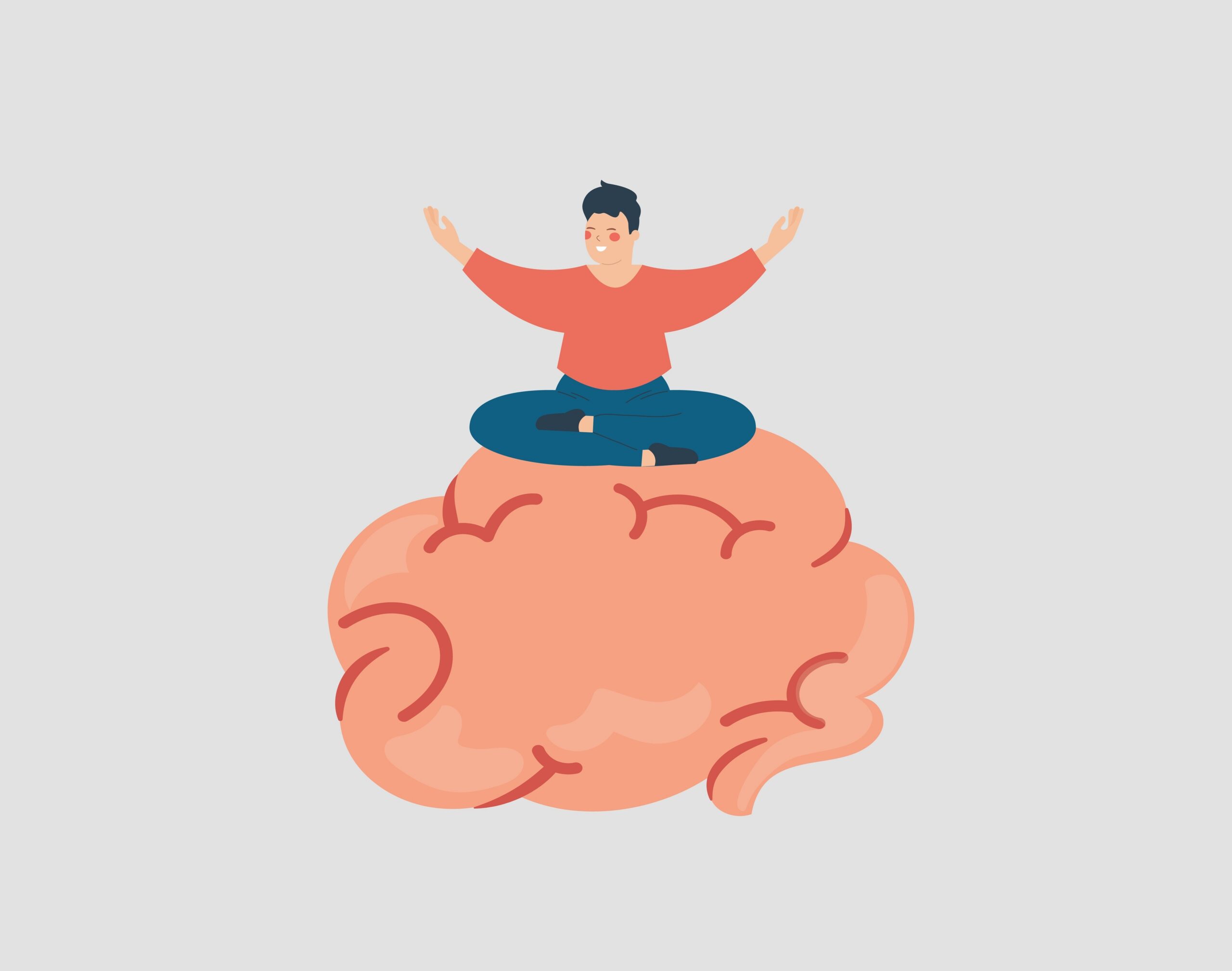
When curiosity or joy drives your actions, your brain shifts into a state of engagement. You feel alert but calm, motivated but not pressured. You’re interested, open, and able to explore new possibilities without the fear of failure. This is the brain’s learning sweet spot; the place where progress feels natural and creativity flows.
In neuroscience terms, curiosity activates the brain’s reward system, increasing dopamine in ways that enhance focus and memory. Joy strengthens the neural connections associated with learning and motivation. Together, they form a powerful loop: curiosity sparks exploration, engagement deepens understanding, and joy reinforces the habit of continuing.
Compare that with survival signals, such as stress, guilt, or pressure. Those emotions activate the brain’s threat system, including the habenula, which suppresses motivation when you experience failure or frustration. Over time, that “motivational kill switch” can make it harder to stay consistent or even start again.
Success signals, on the other hand, tell your brain: This is safe. This is working. Keep going.
Try noticing your own success signals this week. When do you feel curious instead of controlled? Energized instead of drained? These subtle shifts in how you feel can reveal a lot about what truly motivates you.
Nurture Your Success Signals
Success signals can’t thrive in fear-based environments. They grow in spaces where it’s safe to experiment, make mistakes, and try again, which is the heart of our Iterative Mindset Method™.
Iteration means making adjustments over time. Try something new, observe how it feels, and adjust it until it fits. Instead of chasing perfection, you learn through repetition and reflection. This process trains your brain to see “failure” not as a stop sign, but as information.
For example:
- If your new meal plan feels restrictive, adjust it to include foods you enjoy.
- If your fitness routine leaves you exhausted, try shorter, more frequent sessions that energize you.
- If you’re struggling to meditate daily, start with one mindful minute and grow from there.
These consistent, safe iterations rewire your brain for resilience. They send success signals that reinforce trust, confidence, and intrinsic motivation.
When you pair these practices with environments that encourage autonomy and support, whether that’s a workplace culture or a personal wellness journey, your habits begin to sustain themselves. You’re no longer forcing change. You’re allowing it.
Celebrate Progress, Not Perfection
The final piece of the success signal puzzle is celebration. When you recognize wins, even imperfect ones, your brain releases dopamine, which strengthens motivation and helps new habits stick. You’re training your brain to associate learning and effort with reward.
Instead of measuring success by outcomes, like the number on the scale, the step count, or the performance review, focus on consistency and curiosity. Did you try something new today? Did you notice what worked and what didn’t? Did you show up, even imperfectly? These are the moments worth celebrating.
One simple reflection practice you can use daily:
At the end of the day, ask yourself:
- What sparked curiosity or joy today?
- What small step moved me forward?
- What did I learn that I can try differently tomorrow?
This kind of reflection helps you recognize and reinforce success signals, creating a continuous loop of growth, motivation, and satisfaction. Over time, your brain learns to associate success not with pressure or fear, but with genuine engagement and fulfillment.
Key Takeaways: Success Thrives in Safety, Curiosity, and Joy
Your brain is constantly sending you signals, some driven by survival, while others are driven by success. Fear and pressure may create short-term momentum, but they come at a long-term cost.
Curiosity, engagement, and joy are the opposite. They signal that your brain feels safe enough to learn, experiment, and thrive. By cultivating these emotions and by approaching growth as an iterative, enjoyable process, you set yourself up for lasting success that feels good from the inside out.
So the next time you feel joy or curiosity in your work, your wellness routine, or your relationships, don’t dismiss it as unproductive. That spark is success. And it’s the most sustainable kind there is.