





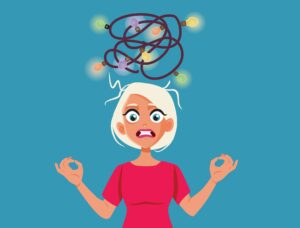
Many of our daily habits are formed in response to stress, rather than being a free choice. Learn how to recognize “survival habits” that drain your motivation, and how to replace them with joy-driven practices that align with how your brain actually thrives.
Why So Many Habits Start in Survival Mode
Most people don’t build habits because they want to; they build them to cope with life. For example, we skip meals because we’re busy, overexercise to “make up” for what we’ve eaten, or overwork to feel in control. We aim for perfection because it feels safer than imperfection.
At first, these habits may appear to be a form of discipline or motivation, but they’re actually survival habits: behaviors developed to reduce anxiety, rather than increase joy.
When we live under constant stress, the habenula, our brain’s motivation system, starts to associate effort with failure or threat. That’s why we burn out after a few weeks of a strict diet or intense workout plan. The brain interprets it as a danger, instead of a reward.
At Fresh Tri, we teach people to rewire this response using the Iterative Mindset Method™, transforming survival habits into joyful, sustainable ones.
Identify Survival Habits in Your Life
Survival habits can manifest in various aspects of our lives, including how we eat, move, work, and rest. They often feel like control, but they’re fueled by fear or stress.
Here are a few examples:
- Restrictive eating: Cutting out entire food groups or counting every calorie to feel in control.
- All-or-nothing exercise: Pushing through exhaustion or guilt-tripping yourself for missing a workout.
- Overworking: Filling every minute to avoid stillness or self-reflection.
- Perfectionism: Measuring success by how perfectly you follow a plan instead of how it makes you feel.
- People-pleasing: Saying “yes” to everything, even when it costs your energy and health.
These patterns all activate the stress response, keeping your brain in a state of survival mode. The more you push from fear, the less motivated you feel, because the brain interprets that pressure as a signal to shut down.
Recognizing survival habits will help you understand that your brain learned to protect you, not punish you. And with new input, it can learn new, healthier patterns.
Build Habits That Feel Good
Once you spot a survival habit, the next step is to replace it with a joy-based one, something that feels rewarding to your brain. That’s where the Iterative Mindset Method™ comes in. Instead of chasing perfection, you experiment, observe, and adjust.
This method rewires the brain through curiosity and positive reinforcement, rather than pressure. For example:
- If you’re trying to eat healthier, instead of banning certain foods, add something you enjoy, like colorful veggies or a favorite protein. Notice how it feels to nourish, not restrict.
- If exercise feels like punishment, try exploring movement that feels playful, such as dancing, walking with a friend, or stretching to music.
- If you struggle with rest, try setting one small boundary, such as leaving work 10 minutes earlier or eating lunch without multitasking.
Each small success releases dopamine, which teaches your brain that these behaviors are rewarding. The more positive the experience, the more likely you are to repeat it. That’s the science behind joy-based habits: they’re biologically easier to maintain because they work with your brain, not against it.
Practical Tools for Everyday Life
Sustainable change isn’t doing more; it’s doing what feels better. Here are a few practical ways to build joy-based habits in your daily life:
1. Daily Reflection
At the end of the day, ask yourself:
- What choices made me feel alive or calm today?
- What felt heavy or forced?
This helps you see which habits are joy-based and which ones stem from stress.
2. Start Where You Are
Choose habits that are almost too easy to fail: one glass of water, five minutes of stretching, or adding fruit to breakfast. These wins signal safety and success to your brain, making it easier to keep going.
3. Redefine Success
Instead of measuring progress by the scale or the stopwatch, ask:
- Did this habit feel good?
- Do I want to do it again tomorrow?
That’s how joy becomes your motivation.
4. Celebrate the Tries
The Iterative Mindset Method™ teaches that every attempt counts, even if it’s imperfect. When you celebrate the effort, not just the outcome, you keep the brain’s motivation system activated.
Key Takeaway: Habits Built on Joy Last Longer
Fear and guilt might spark action, but joy and curiosity sustain it. When your habits are built on things you want to do, your brain rewards you with more energy, motivation, and satisfaction. At Fresh Tri, we refer to this as the shift from survival to thrival.
By practicing curiosity, rewarding effort, and letting go of perfection, you can train your brain to seek out joy and make healthy living feel natural again.