







Recognition is often treated as something optional, like a gesture or a celebration, a moment leaders squeeze in if time allows. But neuroscience paints a very different picture. Appreciation plays a central role in how the brain processes motivation, belonging, and engagement. As the year comes to a close, recognition becomes one of the most powerful tools organizations have to restore energy and reinforce the kinds of behaviors they want to carry forward.
Reclaiming reward through meaningful acknowledgment helps the brain integrate effort, reconnect with purpose, and reconnect with the emotional experiences that sustain motivation. For teams reaching the end of a demanding season, recognition is a strategic move.
The Brain Science Behind Meaningful Recognition
When a person receives genuine appreciation, the brain interprets it as a reward signal. Dopamine rises, and neural pathways that encode “this is worth repeating” strengthen. This reinforcement learning process becomes especially important at the end of the year, when long periods of sustained effort may have taxed the nervous system.
The effectiveness of recognition depends heavily on how it’s delivered. The brain responds more strongly when appreciation is specific, timely, and genuinely sincere. Vague praise rarely creates reinforcement because the brain struggles to associate it with a specific action or behavior. Recognition that clearly connects effort to impact gives the nervous system something tangible to reinforce.
These cues shape behavior at scale. When people consistently hear what worked, they gravitate toward those behaviors the following quarter through the natural pull of reward.
The Difference Between Rewarding Output and Rewarding Iteration
Many organizations focus recognition almost exclusively on outcomes: closing a deal, completing a project, hitting a target. These acknowledgments can be meaningful, but they tell only part of the story. The processes that lead to those achievements (flexibility, experimentation, problem-solving, steady effort) often go unrecognized.
This matters because the brain tracks and internalizes what earns attention. When only outcomes receive acknowledgment, the months of sustained practice required to reach those results fade into the background. People begin to associate value with performance peaks rather than the ongoing behaviors that make success possible.
Recognition that highlights adaptability, resilience, and growth has a different effect. It reinforces the daily behaviors that help teams navigate change and complexity. This creates a healthier motivational environment that supports long-term performance rather than short bursts driven by pressure.
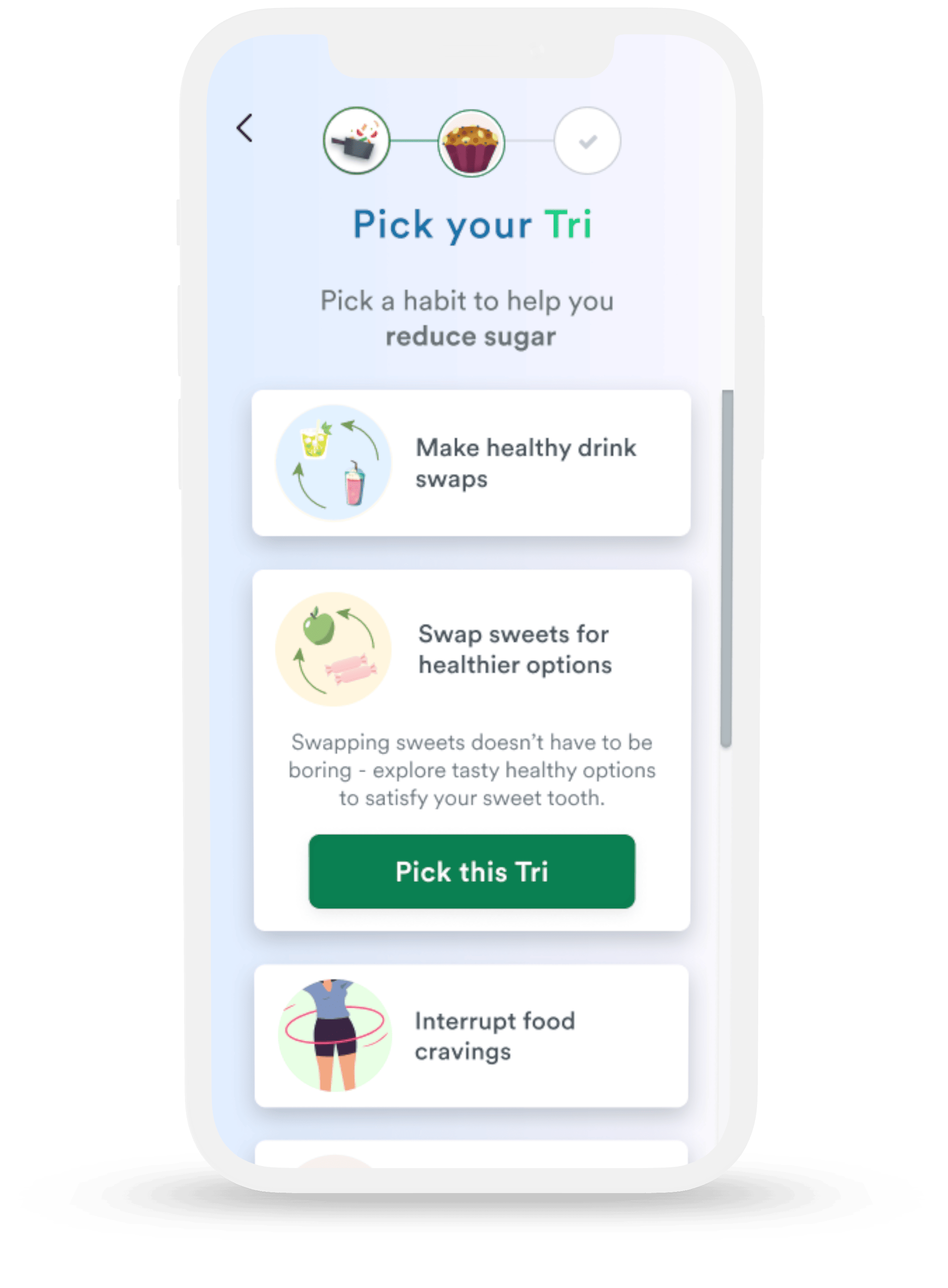
Fresh Tri’s approach to iteration reinforces the same principle. Habits and performance strengthen through steady practice and adjustment, not through perfection. Recognition aligned with this mindset helps teams feel seen for the work that shapes who they become.
Recognition Practices That Build Stronger Teams
Organizations that embed recognition into the rhythm of year-end reflection often see improvements in cohesion, trust, and motivation. The key is creating experiences that allow people to feel the emotional weight of acknowledgment, rather than rushing through a checklist of thanks.
Storytelling can play a pivotal role. Leaders and teammates who share stories of perseverance help create a communal memory of the year’s challenges and breakthroughs. These narratives anchor meaning to specific moments and signal that effort carries emotional value.
Peer-to-peer acknowledgment circles are equally powerful. When appreciation flows horizontally, across departments, roles, and levels, the sense of shared purpose strengthens. People hear how their work contributed to someone else’s progress, reinforcing the interconnected nature of achievement.
Leadership communication also shapes the closing tone of the year. Year-end letters or town halls that highlight meaningful work, emphasize collective impact, and honor resilience help teams internalize their contribution. These messages restore reward pathways that may have been strained during periods of high pressure or rapid change.
The purpose is to create conditions where the brain can absorb the meaning of the year and carry forward a stable sense of readiness for the next one.
Setting the Stage for a Motivated New Year
Recognition functions as a powerful form of motivation repair. When organizations approach year-end appreciation intentionally, they strengthen engagement, protect well-being, and reinforce behaviors that support sustainable growth.
Closing the year with thoughtful acknowledgment gives teams a renewed sense of reward that endures into the year ahead: a strategic advantage for any organization preparing for a new cycle of goals and challenges.