Finish strong.
That’s what December says. End the year with one last push. Set yourself up for January. Don’t let up now.
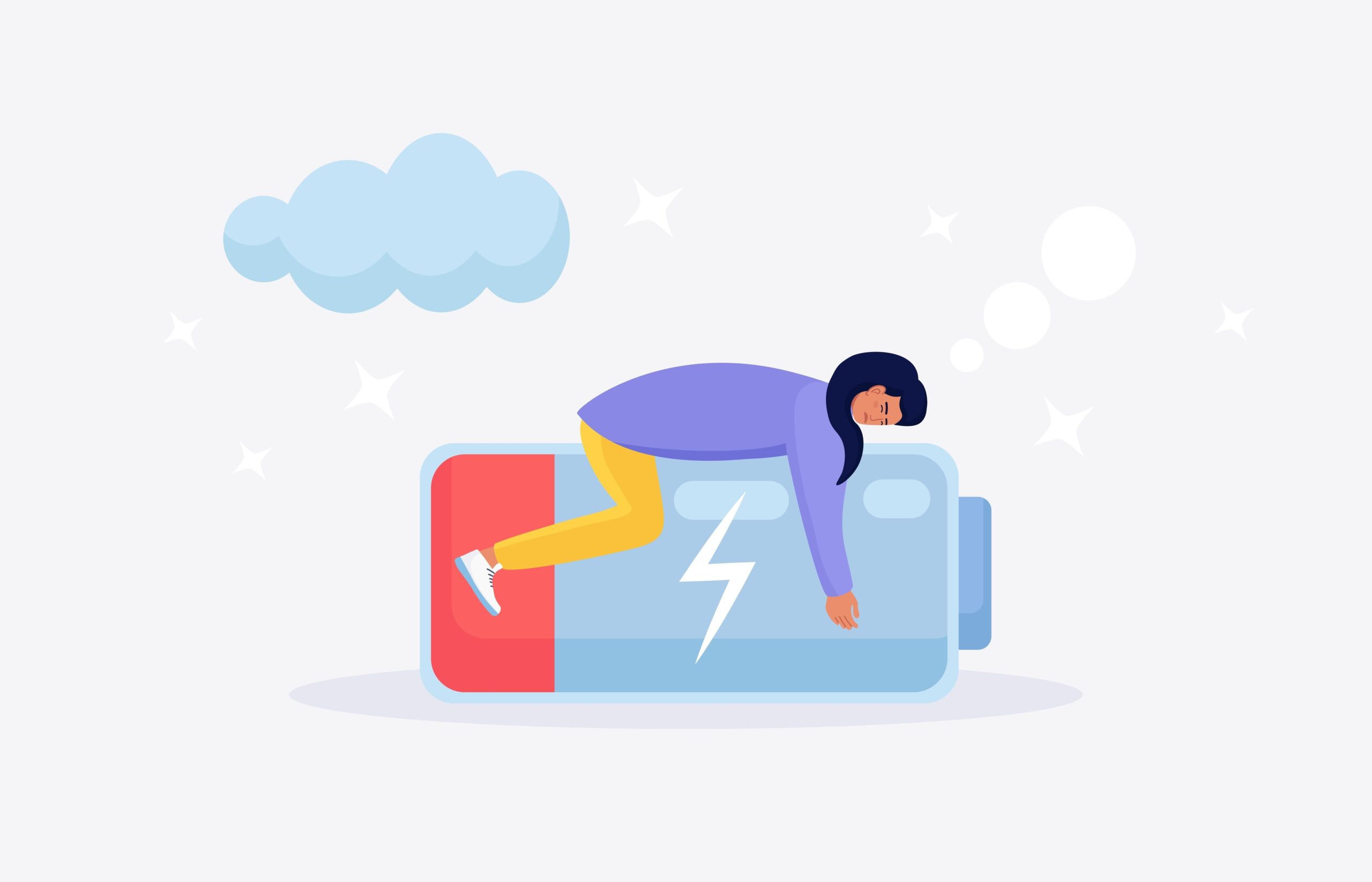
But what if your brain is already tapped out?
What if the reason you can’t seem to get motivated, can’t feel good about what you’ve accomplished, can’t muster one more ounce of effort—isn’t because you’re lazy or weak—but because your brain has been running on fumes for months?
Here’s the thing nobody tells you: your brain’s motivation system doesn’t work when you’re under constant pressure. It actually shuts down. And when that happens, no amount of pushing yourself harder will fix it.
The only thing that restores it? Rest.
Your brain has a motivation kill switch
There’s a tiny part of your brain called the habenula. You’ve probably never heard of it, but it controls whether you feel motivated or not.
When life feels manageable and you’re making progress, the habenula stays quiet. Your brain releases dopamine. You feel rewarded. You want to keep going.
But when things feel overwhelming, relentless, or impossible, the habenula steps in and says: Nope. Stop trying. This isn’t working.
It blocks dopamine. It shuts down your reward system. Suddenly, nothing you do feels worth it.
And this is why “finish strong” can backfire so badly. When you’re already running on empty, more pressure doesn’t create motivation. It kills it.
Slowing down isn’t giving up
I know what you’re thinking: But if I slow down now, I’ll lose momentum. I’ll fall behind. I’ll never get back on track.
But here’s what actually happens when you rest:
Your brain finally gets a chance to process everything you’ve been doing. It consolidates what worked. It strengthens the habits you’ve been building. It figures out what’s worth keeping and what’s not.
This doesn’t happen when you’re in constant motion. It happens when you pause.
Rest isn’t the opposite of progress. It’s where progress becomes permanent.
What makes rest feel rewarding (according to your brain)
The Iterative Mindset Method™ works because it’s designed around how your brain actually functions—not how we think it should. And one of the biggest things we’ve learned from neuroscience is that rest isn’t passive. It’s active. It’s productive. And it’s scientifically rewarding.
Here’s why:
Stillness tells your brain you’re safe
When you’re always moving, always doing, your nervous system thinks you’re in danger. It stays on high alert. The habenula stays activated. Reward stays blocked.
But when you pause—really pause—your brain gets the signal: Okay, we’re safe. We can relax. That’s when the habenula releases its grip. That’s when reward can flow again.
Reflection shows your brain you’re making progress
Your brain needs evidence that what you’re doing matters. Not evidence that you’re perfect. Evidence that you’re trying, learning, adjusting.
When you take a few minutes to notice what you did—not what you didn’t do—you’re giving your brain the proof it needs to stay motivated.
Intention gives direction without pressure
Goals can feel heavy. They come with expectations, timelines, pressure to succeed. But intention? Intention is lighter. It’s just a direction. A practice.
When you set an intention without demanding perfection, your brain stays calm enough to actually want to follow through.
Recognizing yourself builds identity
Every time you acknowledge a small effort—I tried that thing. I showed up. I adjusted when it didn’t fit.—you’re telling your brain: This is who I am.
And identity is way more powerful than willpower. You don’t have to force yourself to do things that feel like you.
What if December wasn’t about fixing yourself?
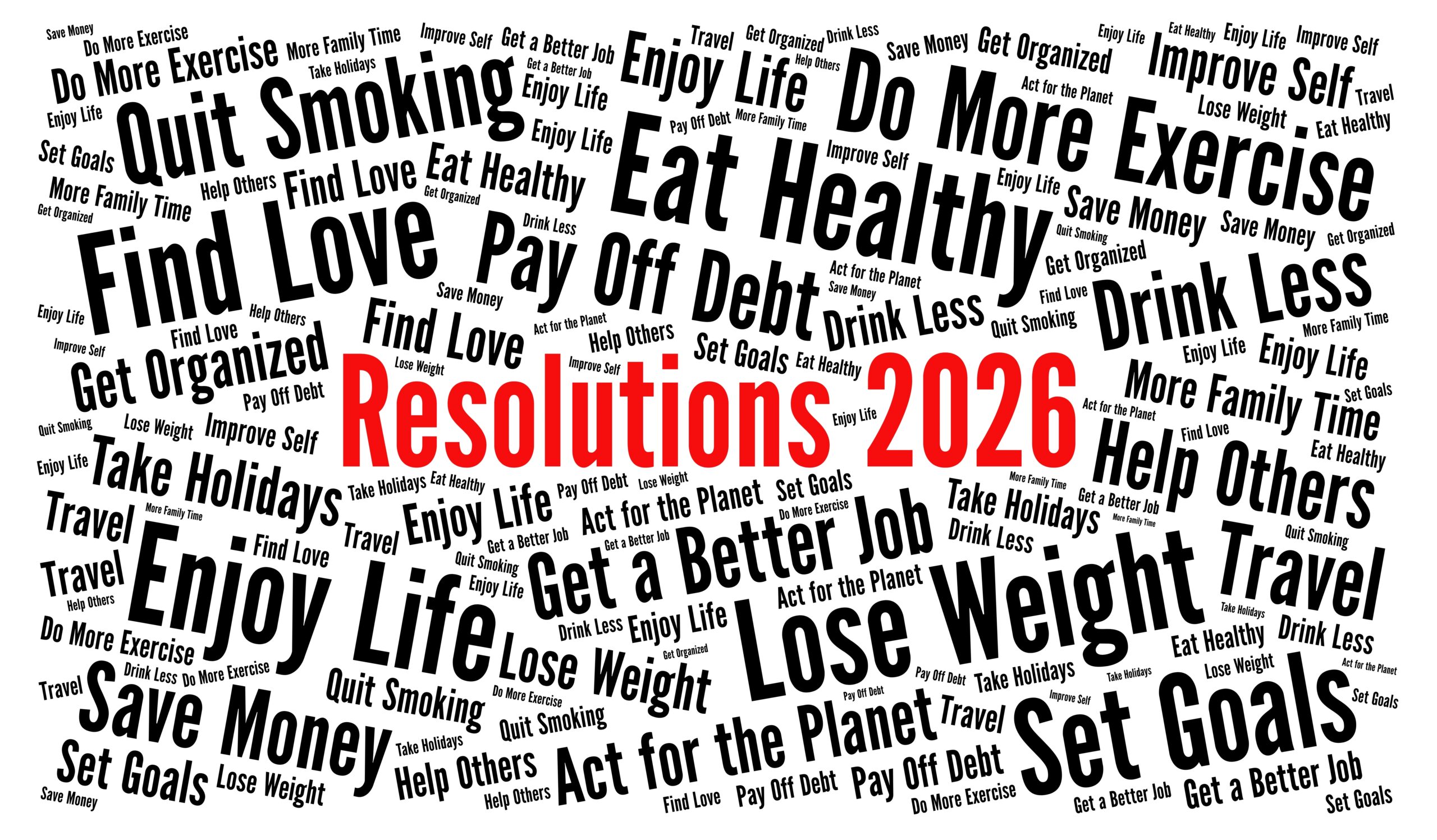
What if instead of using this month to set up another round of pressure, disappointment, and New Year’s resolutions you won’t keep—you used it to recognize who you already are?
Not who you think you should be by now. Not who the Instagram wellness crowd says you need to become. Just you. Mid-iteration. Still figuring it out. Still practicing.
That’s what Fresh Tri is built for. We don’t ask you to overhaul your entire life come January. We ask you to try one thing that feels doable right now. See how it fits. Tweak it if it doesn’t. Keep going.
No pressure. No judgment. Just practice.
What this actually looks like
Let’s say you’ve been telling yourself you need to start working out every day in the new year.
Cool. But also—have you been sleeping okay? Have you noticed when you feel energized versus when you feel drained? Do you even like the kind of workout you’re planning to force yourself to do?
What if instead of jumping straight to “I’m doing this every day no matter what,” you tried:
This week, I’m going to notice how my body feels in the morning.
That’s it. Just noticing. No fix required.
Next week, maybe you try: I’m going to move for five minutes and see how it feels.
If it feels good, great. If it doesn’t, you tweak it. Maybe it’s stretching instead of cardio. Maybe it’s evening instead of morning. Maybe it’s three minutes instead of five.
You’re not failing. You’re iterating. And every time you do that—every time you try, notice, and adjust—you’re training your brain to stay motivated without the threat of failure.
The strongest thing you can do right now is rest
I know it feels counterintuitive. I know there’s a voice in your head saying you should be doing more, planning more, pushing harder.
But that voice isn’t helping you. It’s stressing out your habenula. It’s blocking your reward system. It’s making it harder to feel motivated, not easier.
So maybe the strongest thing you can do this December is give yourself permission to slow down. To rest. To let your brain catch up.
And when you’re ready—no rush—try something subtle. Something gentle. Something that feels like practice, not pressure.
Ready to try something that actually fits?
Start a new practice in the Fresh Tri App or iterate on one you’ve already begun. No judgment. Just you, figuring it out.