






Why Do New Year’s Resolutions Fail? The Brain Science Behind the 80% Failure Rate
Every January, over 45% of Americans make New Year’s resolutions. By February, 80% have already quit.
It’s not because they lack willpower. It’s not because they’re lazy. New year’s resolutions fail because they’re designed to fail.
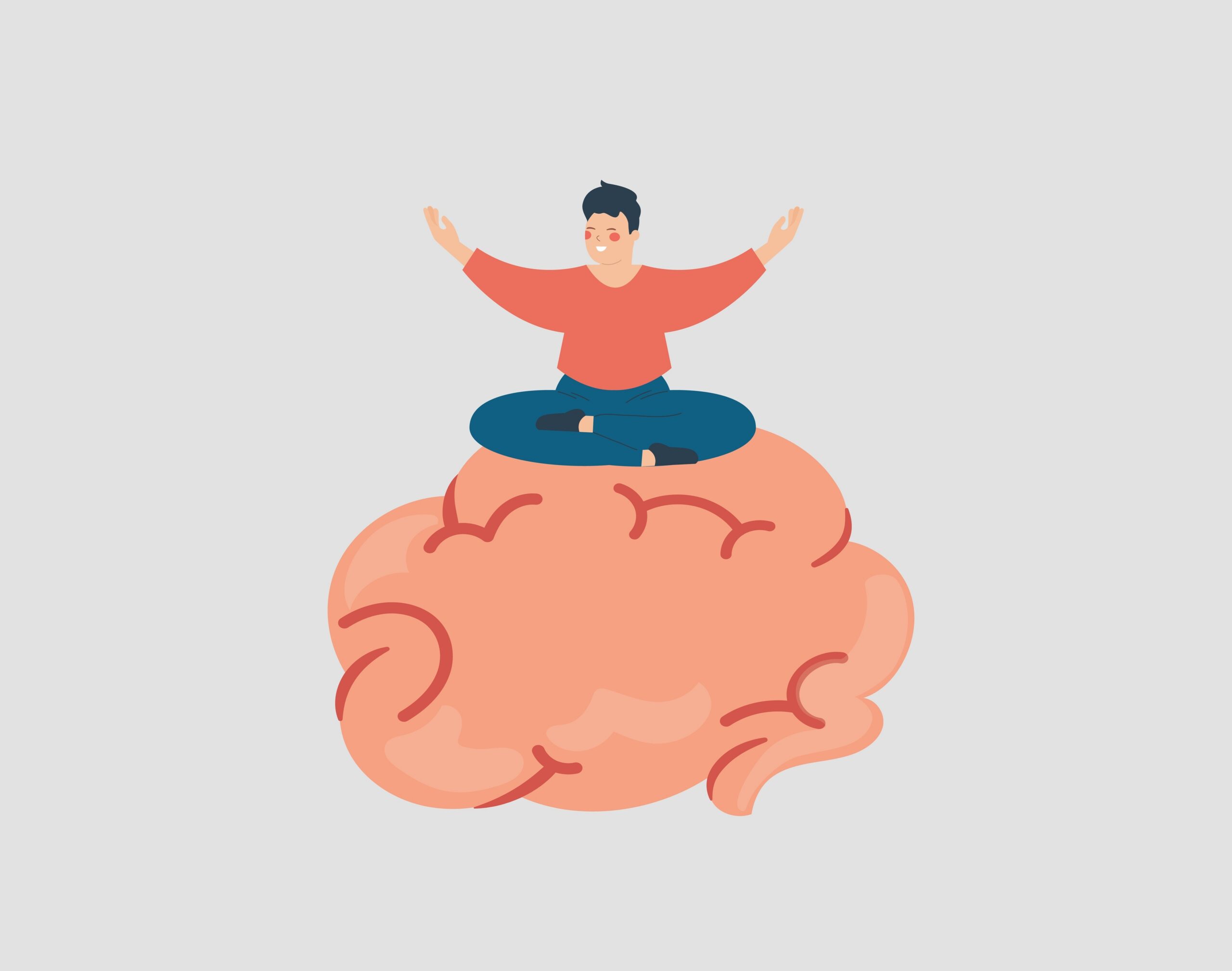
If you’ve ever wondered why New Year’s resolutions fail year after year, the answer lies in your brain. Specifically, a tiny region in your brain called the habenula acts as your motivation’s kill switch.
Here’s the truth: resolutions demand perfection. And when your brain detects failure, it shuts down your drive to keep trying. But there’s a better way.
The New Year’s Resolutions Statistics You Need to Know
The data on resolution failure is sobering:
- 80% of resolutions fail by February
- Only 9% of people who make resolutions actually keep them
- The average person makes the same resolution 10 times without success
- 43% of people expect to fail before they even start
These aren’t numbers about willpower. They’re numbers about broken systems.
Why New Year’s Resolutions Fail: The Neuroscience
Here’s what happens in your brain when you set a traditional resolution:
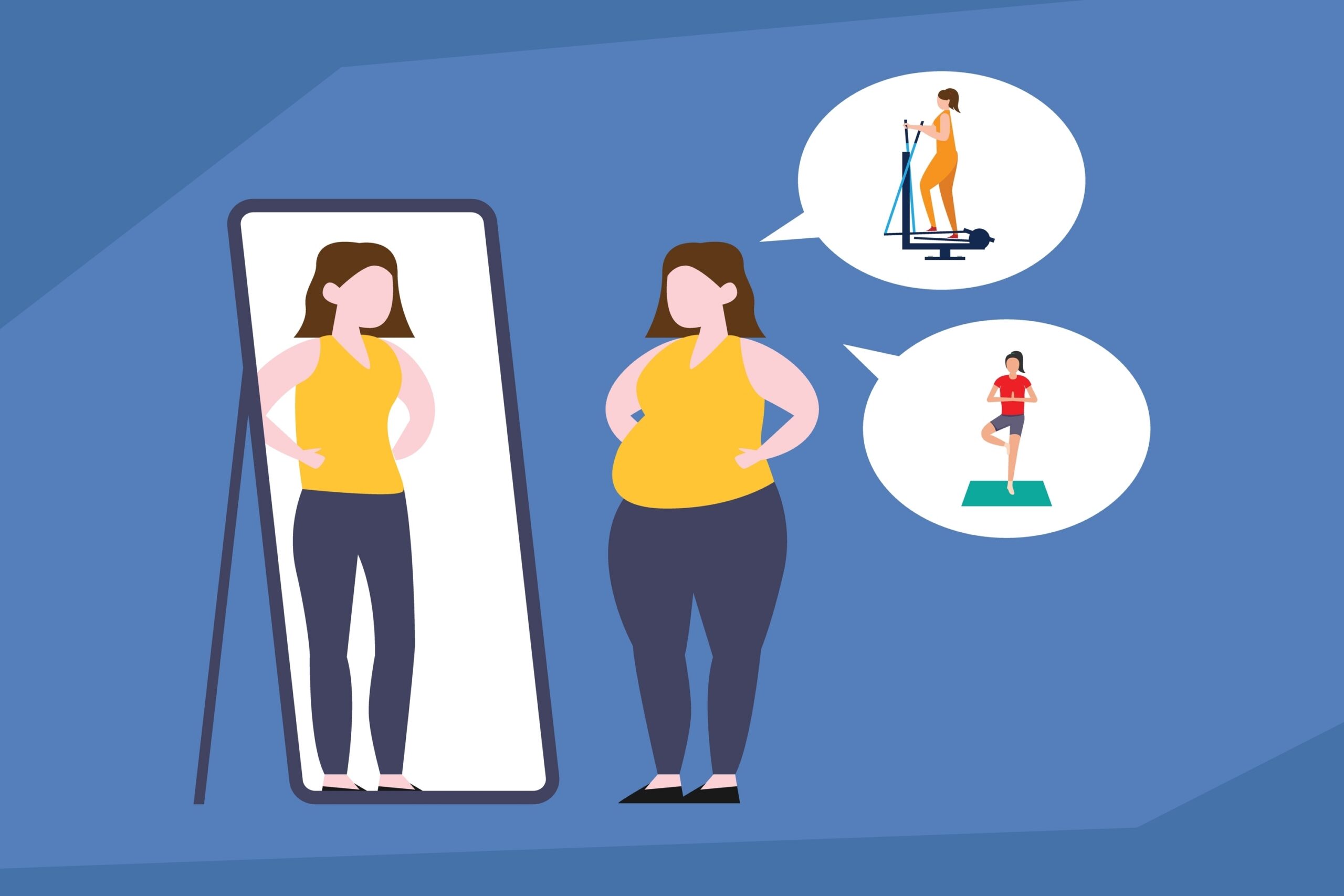
You commit to something ambitious. Maybe it’s “lose 30 pounds” or “go to the gym five times a week.” You start strong. Then you slip up once—you eat the cookie, skip the workout, sleep through your alarm.
Your habenula interprets this as defeat. It triggers a cascade of neurochemicals that kill your motivation. You don’t just feel bad—you literally lose the biological drive to continue.
This is an all or nothing mentality that sabotages resolutions. One mistake feels like total failure. And once your brain perceives failure, getting back on track becomes exponentially harder.
Traditional resolutions also ignore the science of how long it takes to form a habit. The myth of “21 days to form a habit” has been debunked, and research shows it actually takes much longer.
Resolutions ask you to transform overnight. Your brain needs gradual, repeated practice.
Alternatives to New Year’s Resolutions: The Iterative Mindset Method™
What if instead of demanding perfection, you focused on practice?
This is the foundation of the Iterative Mindset Method™—a brain science-backed approach that works with your neurobiology instead of against it.
With iteration, success isn’t about getting it right the first time. It’s about trying something, assessing what happened, and tweaking your approach. There’s no failure—only data.
Maybe that 6 a.m. workout doesn’t fit your schedule. That’s ok. Try a lunchtime walk instead. Maybe meal prep on Sundays feels overwhelming. Try prepping just one ingredient on Wednesday.
Each attempt teaches you something. Each tweak brings you closer to what actually works for your life.
This approach is backed by behavior change research. Studies show that people who focus on iteration and progress rather than perfect outcomes sustain changes longer. They also experience less shame and guilt when they encounter setbacks.
How to Build Lasting Habits Without Resolutions
Building healthy habits doesn’t require a perfect start. It requires the right strategy.
Here’s how the Iterative Mindset Method™ differs from traditional resolutions:
Traditional Resolutions:
- Demand perfection from day one
- Treat setbacks as failure
- Rely on motivation and willpower
- Create all-or-nothing pressure
- Ignore individual context and constraints
Iterative Mindset Method™:
- Expects imperfection as part of the process
- Treats setbacks as valuable data
- Builds systems that support repeated practice
- Celebrates effort and iteration
- Adapts to your real-life circumstances
Building Healthy Habits That Actually Stick
Ready to try a different approach this January? Here’s how to start:
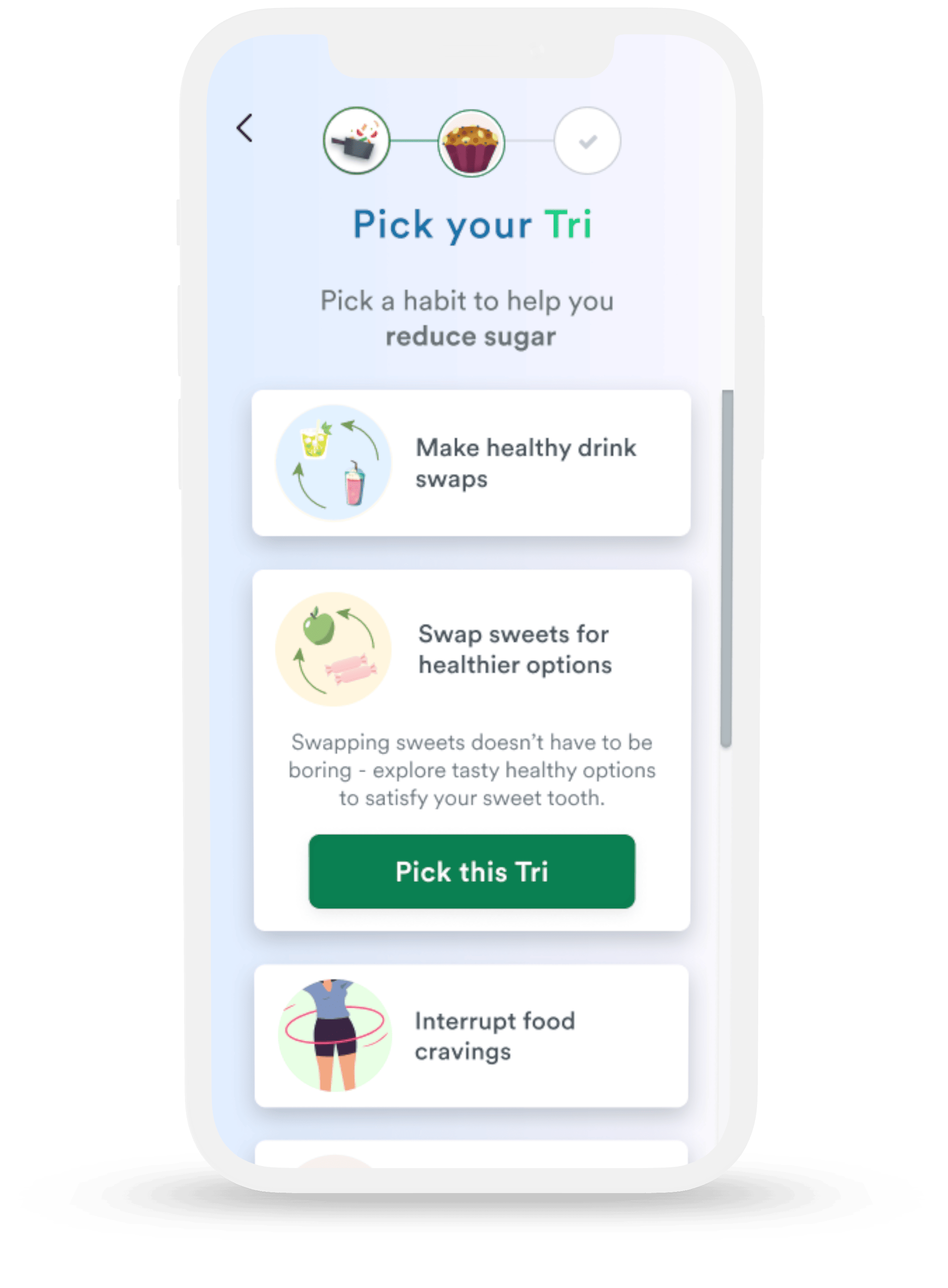
1. Pick one behavior (not a big goal)
Choose something specific and achievable. Not “get healthy”, but maybe “eat one serving of vegetables with dinner” or “take a 5-minute walk after lunch.”
2. Try it for three days
Notice what works and assess what doesn’t. No judgment—just observation.
3. Tweak one variable
Change the timing, reduce the intensity, add a reminder, or adjust the context.
4. Try the new version for three days
Keep iterating until you find a version that fits your actual life.
5. Celebrate effort, not outcomes
Your “success” metric is “Did I practice and iterate?” not “Did I do it perfectly?”
This is how behavior change actually works. Not through perfection, but through persistent, imperfect practice.
Why the Iterative Mindset Method™ Protects Your Motivation
When you adopt an iterative mindset, you fundamentally change how your brain interprets setbacks. The habenula doesn’t fire because there’s no failure to detect—only experiments yielding data.
Research on mindset confirms this: people who view journeys as iterative (rather than fixed) show greater resilience, sustained motivation, and ultimately achieve better outcomes.
The Iterative Mindset Method™ is tuned specifically for healthy behavior change. It gives you concrete tools to practice iteration, not just the concept.
New Year Goals Without the Resolution Trap
You don’t have to abandon your new year goals. You just need to approach them differently.
Instead of resolving to “lose 30 pounds,” commit to “iterate my eating habits until I find sustainable approaches that support my health goals.”
Instead of resolving to “go to the gym five times a week,” commit to “experiment with different movement practices until I find ones I genuinely enjoy.”
The destination might be similar, but the path is completely different. It’s also far more likely to succeed.
This January, skip the resolutions. Try iteration instead.