






If you’re asking how to restart habits after a break, you might be feeling like what once felt natural now feels impossible.
You were doing so well. Walking every morning. Meal prepping on Sundays. Drinking enough water.
Then life happened. You got sick. Work got crazy. And everything stopped.
Now you’re standing at the edge of your old routine, wondering how to jump back in. And the voice in your head is saying: “You have to make up for lost time. Go hard or don’t bother.”
Here’s what you actually need to hear: The most productive thing you can do when you restart habits after a break is take your time getting back.
Why You Need to Know How to Restart Habits After a Break
First, let’s get something straight. Taking a break from your habits doesn’t erase your progress. It doesn’t reset you to zero. It doesn’t mean you failed.
Pauses are a normal part of behavior change. Research shows that habit formation is rarely linear. It’s full of stops, starts, and detours. The people who succeed long-term aren’t the ones who never pause. They’re the ones who know how to re-enter gently.
Learning how to restart habits after a break is one of the most valuable skills in behavior change. Why? Because breaks are inevitable. You will get sick. You will travel. Life will interrupt. The question isn’t if you’ll pause but it’s whether you know how to resume.
Here’s the problem. Most of us don’t re-enter gently. We try to pick up exactly where we left off—or worse, we try to overcompensate.
You were running three miles before? Now you’re going to run five.
You were eating healthy all week? Now you’re cutting out carbs entirely.
You took two weeks off? Now you’re going to train twice a day.
This doesn’t work. And it’s not because you lack discipline. It’s because your brain and body aren’t ready.
What Your Brain Needs After a Break
When you pause a habit, your brain doesn’t forget how to do it. But it does de-prioritize it. The neural pathways that made the behavior feel automatic start to weaken. They don’t disappear; they just quiet down.
When people ask how to restart habits after a break or relapse into old habits, they usually want permission to jump back in at full intensity. But that’s not what your brain needs.
To rebuild those pathways, your brain needs consistency, not intensity.
Think of it like this: If you stopped playing an instrument for a month, you wouldn’t start your first practice session with a two-hour marathon. You’d play for 15 minutes, shake out the rust, and gradually build back up.
The same applies to health habits. After a pause, your brain needs:
1. Low stakes
High-pressure restarts trigger the habenula—the brain region that shuts down motivation when it detects failure. If you set the bar too high too soon, you’re priming yourself to quit again.
2. Quick wins
“Success” releases dopamine, which fuels motivation. A 10-minute walk feels easy and rewarding. A 60-minute workout feels hard and daunting. Start with the walk.
3. Repetition
Habits form through repetition, not perfection. Doing something achievable five times beats doing something big once.
The Wrong Way to Restart Habits After a Break
Most people treat a pause like a failure that requires a dramatic comeback. But that approach backfires.
When you try to restart at full intensity, you’re essentially asking your brain to do two hard things at once:
- Rebuild the neural pathways for the habit
- Sustain a high level of effort and willpower
That’s exhausting. And when it feels exhausting, your brain interprets it as not worth it.
But when you re-enter gently, you’re only asking your brain to do one thing: show up. And showing up is easy when the ask is for consistency.
This is the foundation of the Iterative Mindset Method™. Instead of demanding perfection or overcompensation after a pause, you focus on iteration—trying something you can do now, noticing how it feels, and adjusting.
How to Restart Habits After a Break: 5 Steps That Actually Work
Here’s exactly how to restart habits after a break—whether you paused for a week or a month:
1. Start at 50% (or less)
If you were walking 30 minutes before, start with 10.
Meal prepping five meals? Start with one.
Meditating daily? Three deep breaths are a good place to start.
This may feel almost too easy. That’s the point. You’re rebuilding the habit loop, not proving anything.
2. Focus on frequency, not duration
Your brain craves consistency more than intensity. Doing something every day rewires your autopilot faster than doing something big once or twice a week.
Aim for “Can I do this five days this week?” instead of “Can I do this perfectly today?”
3. Acknowledge the pause without judgment
You paused. So what? Life is full of pauses. The faster you accept that, the faster you can move forward.
Instead of spiraling into “Why did I stop? What’s wrong with me?” try a reframe: “Okay, I paused. What’s one thing I can do today?”
4. Track your re-entry, not your streak
Forget how many days it’s been since you last did the habit. Focus on how quickly you got back on track after the pause.
Paused for two weeks? Got back in three days? That’s progress.
5. Give yourself two weeks of grace
The first few weeks after a pause are about rebuilding the routine, not chasing results. Your only job is to show up consistently. Results will follow once the habit feels automatic again.
What Happens to Your Progress After a Break (And How to Rebuild It)
Here’s the truth: A pause doesn’t delete what you built. It just puts it on hold.
You still know how to do the thing. Your body still remembers. Your brain still has the pathways. You just need to gently wake them back up.
And the best way to do that? Start where you are. Stay consistent. Be patient.
Real momentum doesn’t come from intense restarts. It comes from gentle re-entry and the willingness to keep going even when it feels slow.
Now you know how to restart habits after a break. The real question is: will you give yourself permission to start today?
So don’t start over. Just start again.
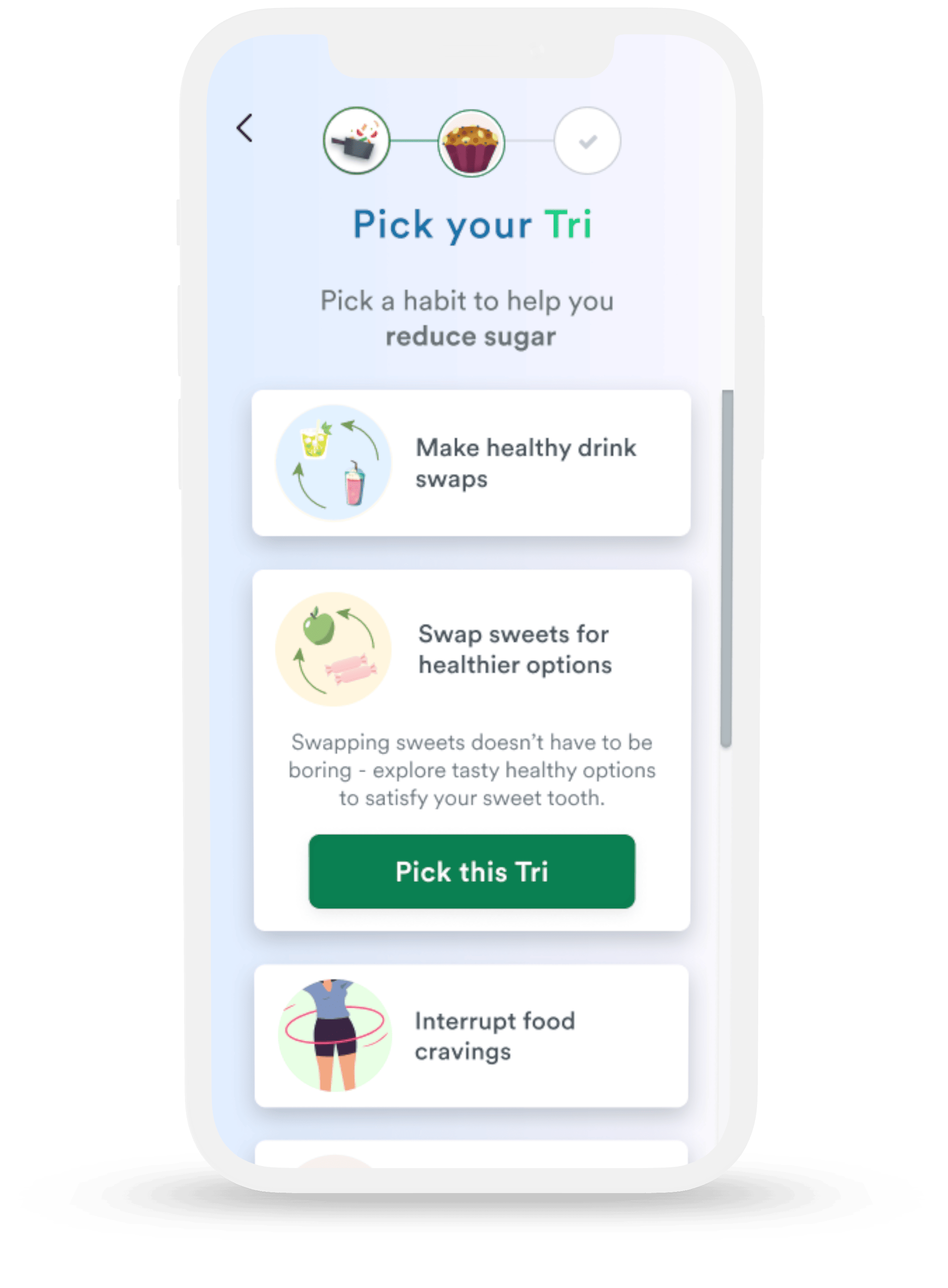
Need help getting back on track without the pressure? The Fresh Tri app uses the Iterative Mindset Method™ to help you rebuild habits that actually stick—no guilt, no all-or-nothing rules. Download the app or take the Iterative Mindset Quiz to find your best path forward.