




The promise of healthy holidays often comes with an unspoken threat: perfection or failure. As the season approaches, many of us brace for holiday weight gain, holiday guilt, and the shame that follows when our routines slip.
But what if we’ve been thinking about holiday wellness all wrong? What if joy—not restriction—is the real goal?
This guide will show you how to navigate holiday self care, maintain your habits, and truly enjoy the season using brain science and a revolutionary approach that replaces shame with iteration.
The holidays are here, and with them come all the things we’re told to feel guilty about. You ate three cookies at the office party. Or skipped your morning walk because family was in town. Maybe you said yes to hosting when you wanted to say no.
And now? The voice in your head says you’ve failed. Again.
But here’s the truth: joy isn’t the problem. Shame is.
Why Holiday Weight Gain and Holiday Guilt Go Hand-in-Hand
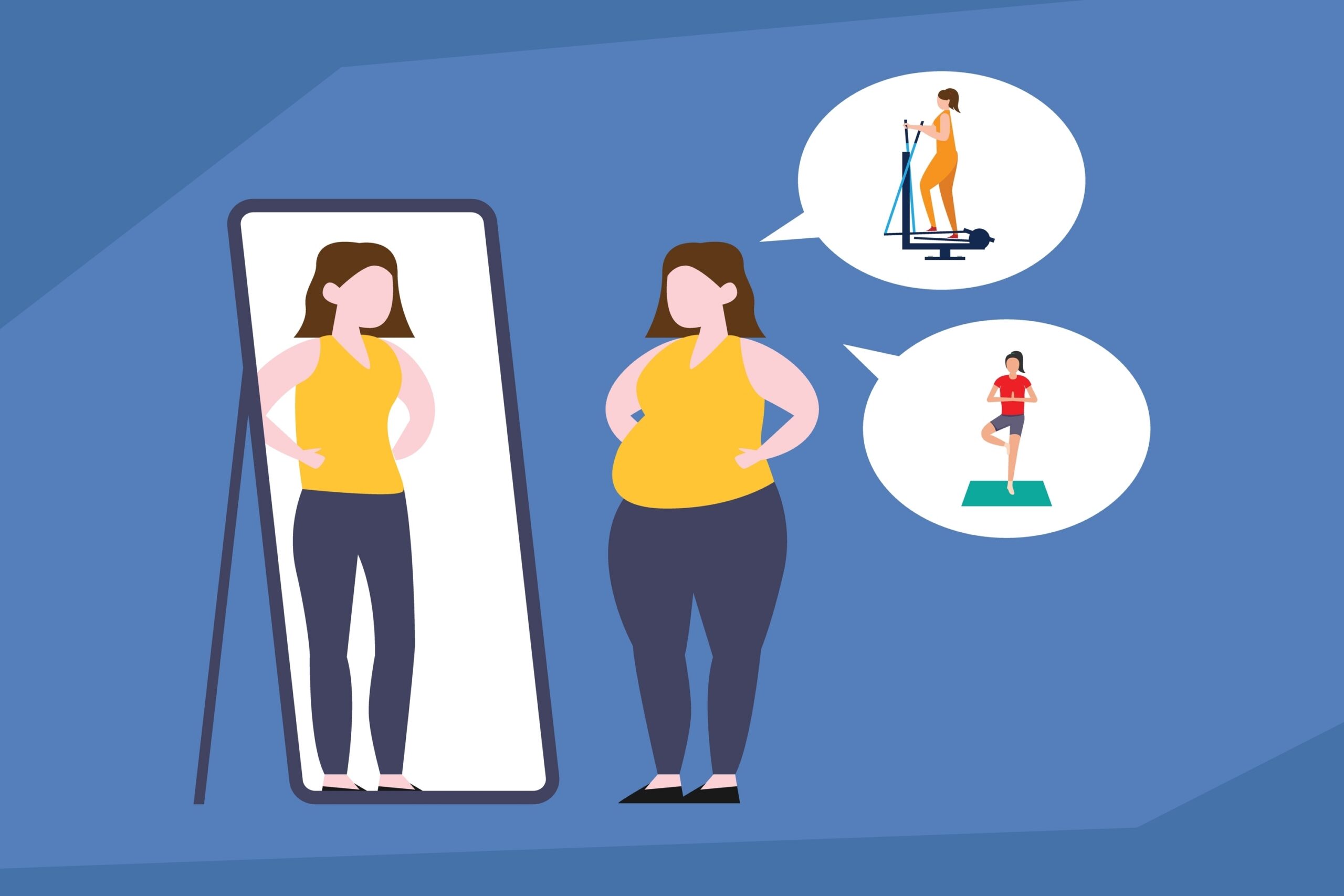
Holiday weight gain isn’t just about the food. It’s about what happens in your head after you eat the food.
Most people approach the holidays with one of two mindsets: strict restriction or total surrender. Either you’re “good” (depriving yourself, saying no to everything, maintaining perfect control), or you’re “bad” (eating everything, abandoning your routine, planning to start over in January).
Both approaches ignore what your brain actually needs to maintain healthy habits during the holidays: flexibility without failure.
When you label holiday eating as “good” or “bad,” you set yourself up for shame. One cookie becomes three becomes “I’ve already blown it, so why bother?” That’s not a food problem. That’s a brain problem. And it’s fueled by guilt.
The real issue isn’t holiday weight gain. It’s the shame that stops you from getting back on track.
The Brain Science Behind Holiday Stress and Shame
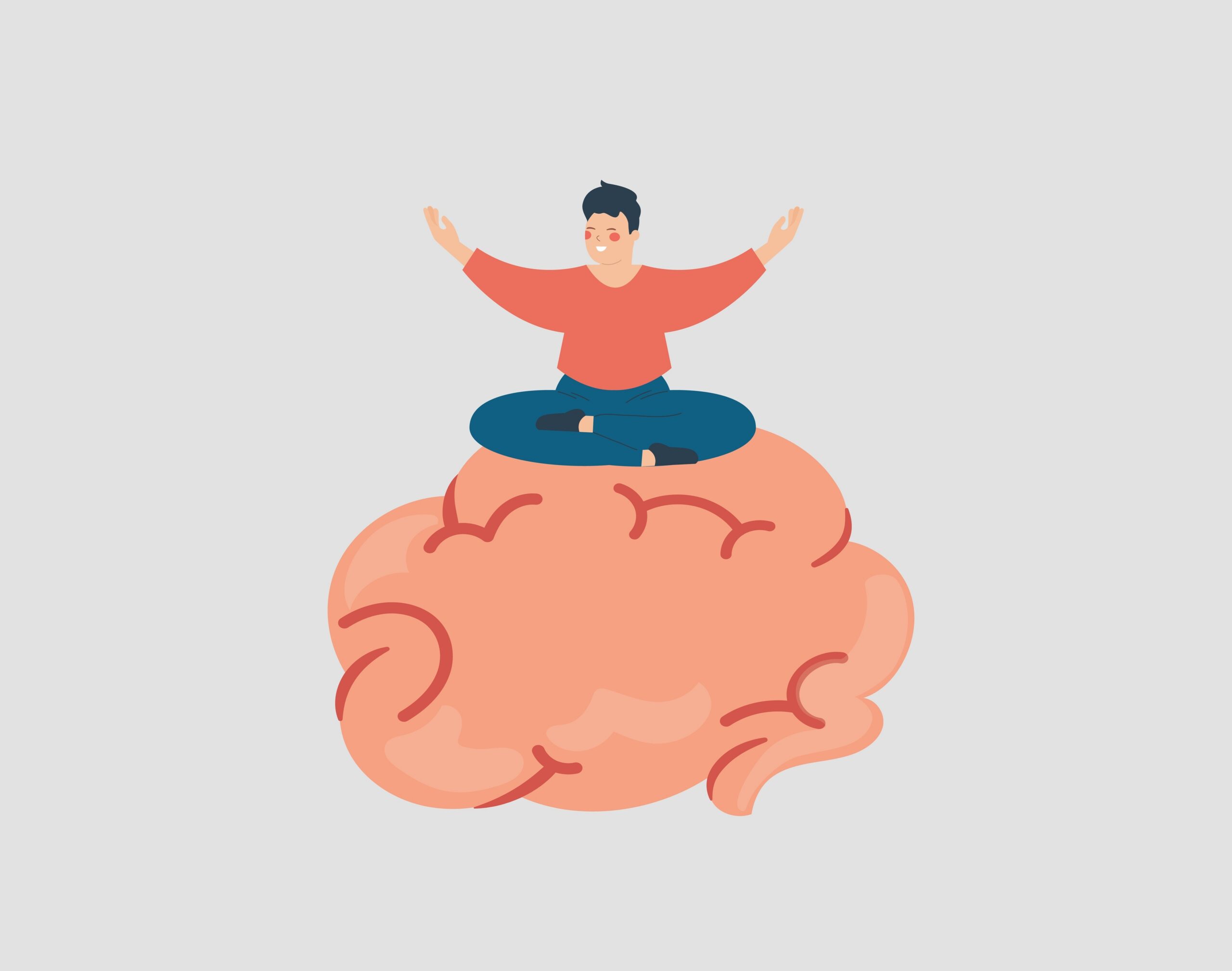
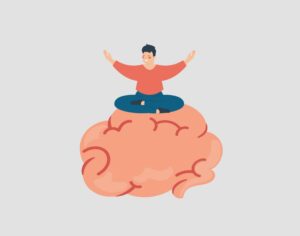
There’s a tiny part of your brain called the habenula. Think of it as your brain’s motivation killswitch. When you perceive failure—when you think you’ve messed up, broken a rule, or fallen short—the habenula lights up. It shuts down your brain’s reward pathways, the very systems that keep you motivated and moving forward.
This is why one “bad” meal can spiral into a week of giving up. This is why missing one workout makes you want to quit altogether. Your habenula remembers the failure. It tries to protect you by saying, “Why bother? You’ll just fail again.”
The problem isn’t the cookie or the skipped workout. It’s the story you tell yourself afterward. The shame you feel. The label you stick on yourself: failure.
And during the holidays? That shame goes into overdrive. Holiday stress management becomes nearly impossible when your brain is working against you.
What Happens in Your Brain When You Feel Holiday Shame
When shame takes over, your brain’s reward pathways go dark. Dopamine drops. Motivation disappears. You disconnect from your body, your habits, and your health goals.
But here’s what the brain science tells us: joy activates your reward system. Shame deactivates it.
When you experience genuine joy—laughing with family, savoring a favorite holiday treat, resting when you need to—your brain releases dopamine. That dopamine reinforces positive feelings and motivates you to keep going. Joy doesn’t sabotage your health. It supports it.
So the real question isn’t, “How do I avoid indulgence during the holidays?” The real question is, “How do I stay healthy during the holidays while experiencing joy?”
How to Stay Healthy During the Holidays Without Restriction
The answer isn’t willpower. It isn’t meal prep. It isn’t tracking every bite or earning your dessert with extra cardio.
The answer is iteration.
This is where Fresh Tri’s Iterative Mindset Method™ comes in. It’s designed to work with your brain, not against it. It protects you from shame by redefining what success looks like.
Success isn’t perfection. Success is practice.
When you practice an iterative mindset, you stop labeling experiences as “good” or “bad.” Instead, you ask: What can I learn? What can I tweak?
You ate more than you planned at dinner? That’s not failure. That’s information. Maybe you were hungrier than usual. Or the food was really good. And maybe you were stressed. Now you can iterate: What will you try next time?
You skipped your workout three days in a row? That’s not failure either. That’s a signal. Maybe your routine doesn’t fit your holiday schedule. Maybe you need to adjust. Iteration means you tweak it and keep going.
The difference? You never stop. Practice is your path to progress, not perfection.
And when your brain sees that you’re still trying—that you haven’t given up—your habenula stays quiet. Your motivation stays alive. This is how you avoid holiday weight gain without the misery of restriction.
Healthy Holiday Eating Tips That Actually Work (No Diet Required)
Let’s get practical. Here’s what healthy holiday eating looks like when you’re practicing iteration, not perfection:
Practice and Tweak: Iterating Your Way Through Holiday Eating
You don’t need to “earn” dessert. Or compensate for indulgence. Eat what you want, paying attention to how you feel, and then adjust. Maybe you notice that three cookies feels great, but five makes you sluggish. That’s not failure—that’s learning. Next time, you’ll know.
Your usual routine might not fit. That’s okay. Instead of skipping exercise entirely because you can’t do your full workout, you iterate. A 10-minute walk. A quick stretch. Dancing in the kitchen. Movement doesn’t have to be perfect to count. These are the small habits that keep you connected to holiday wellness.
Dieting during the holidays doesn’t work. Quick fixes and restrictions activate your habenula. They set you up for failure and shame. Instead, eating healthy during the holidays means staying flexible, listening to your body, and adjusting as you go.
Tips for Staying Healthy During the Holidays
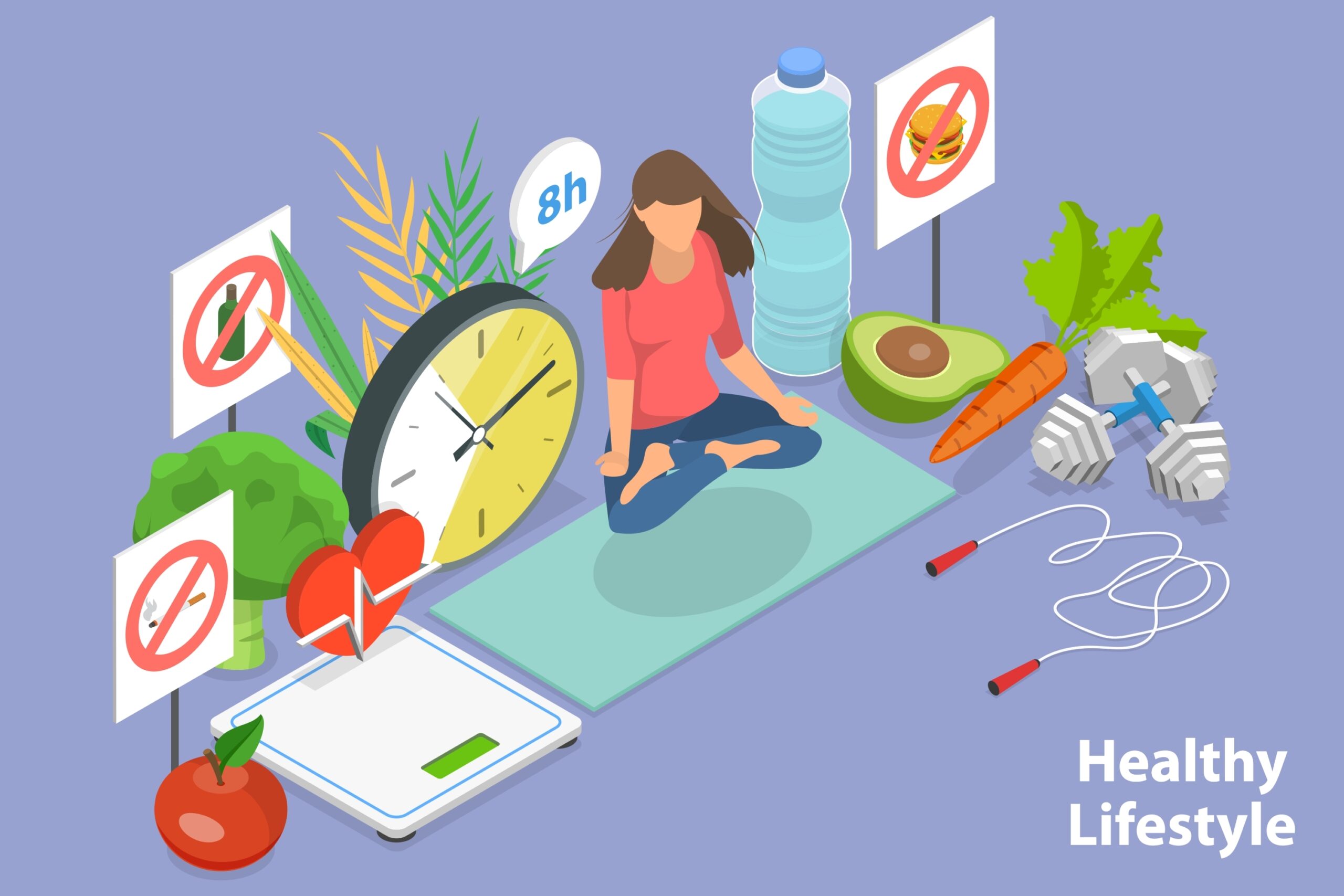
Here are actionable ways to maintain healthy holiday habits:
- Check in before you check out. Before meals or parties, take a breath. Notice how you’re feeling. Hungry? Stressed? Excited? That information helps you make choices that work for you.
- Iteration beats restriction. Don’t ban foods. Practice eating them in amounts that feel good, then tweak based on what you learn.
- Keep some habits, let others go. You don’t have to maintain every routine. Pick 1-2 non-negotiables (maybe movement or sleep) and let the rest be flexible.
- Blame the brain, not yourself. When you slip, remember: it’s the habenula, not your willpower. That mindset shift protects you from shame spirals.
Holiday Self Care: Setting Boundaries Without Guilt
Healthy holidays aren’t just about food and exercise. They’re about emotional wellness too.
You said yes when you wanted to say no. It happens. Now you know. Next time, you can try a different approach. “Let me check my calendar.” “I’ll think about it.” “That doesn’t work for me this year.” Iteration builds your boundary muscle.
You stayed up late. You slept in. Your schedule is off. Instead of beating yourself up, you adjust. Maybe you need an earlier bedtime tomorrow. Or you need to say no to one event. It’s possible you need to give yourself permission to rest.
Holiday stress management isn’t about controlling everything. It’s about practicing flexibility and emotional safety. Flexibility isn’t failure—it’s survival.
The key? No shame. Just tweaking. Just practicing.
The Iterative Mindset Method™: Your Guide to Holiday Wellness
One of the biggest lies we’ve been sold is that you have to restrict yourself to be healthy. That you have to suffer to succeed. That joy and wellness can’t coexist.
But your brain doesn’t work that way. Your brain needs joy. It needs connection, celebration, and yes—indulgence. Those things don’t derail your progress. They are your progress.
You’re practicing flexibility. Learning what works and what doesn’t. Building a life that includes both health and happiness. That’s not failure. That’s the whole point.
The Iterative Mindset Method™ teaches you three simple steps:
- Practice – Try a healthy habit. Show up, even imperfectly.
- Assess – Notice what happened. How did it feel? What worked?
- Iterate – Tweak and try again. No judgment, just adjustment.
This cycle protects your brain’s reward system. It keeps shame out and motivation in. And during the holidays, it’s the difference between thriving and just surviving.
Embrace Healthy Holidays: Joy Is the Goal, Not Perfection
The holidays don’t have to be a break from your health. They don’t have to be something you “recover from” in January. They can be part of your practice. Part of your iteration.
So this season, give yourself permission. Permission to celebrate, rest, enjoy, and permission to keep going, even when it’s messy.
Your habenula doesn’t get to win. Shame doesn’t get to stop you.
Joy is the goal. Practice is the path. Iteration is how you get there.
Fresh Tri is redefining what success looks like. As long as you’re trying, you’re winning.
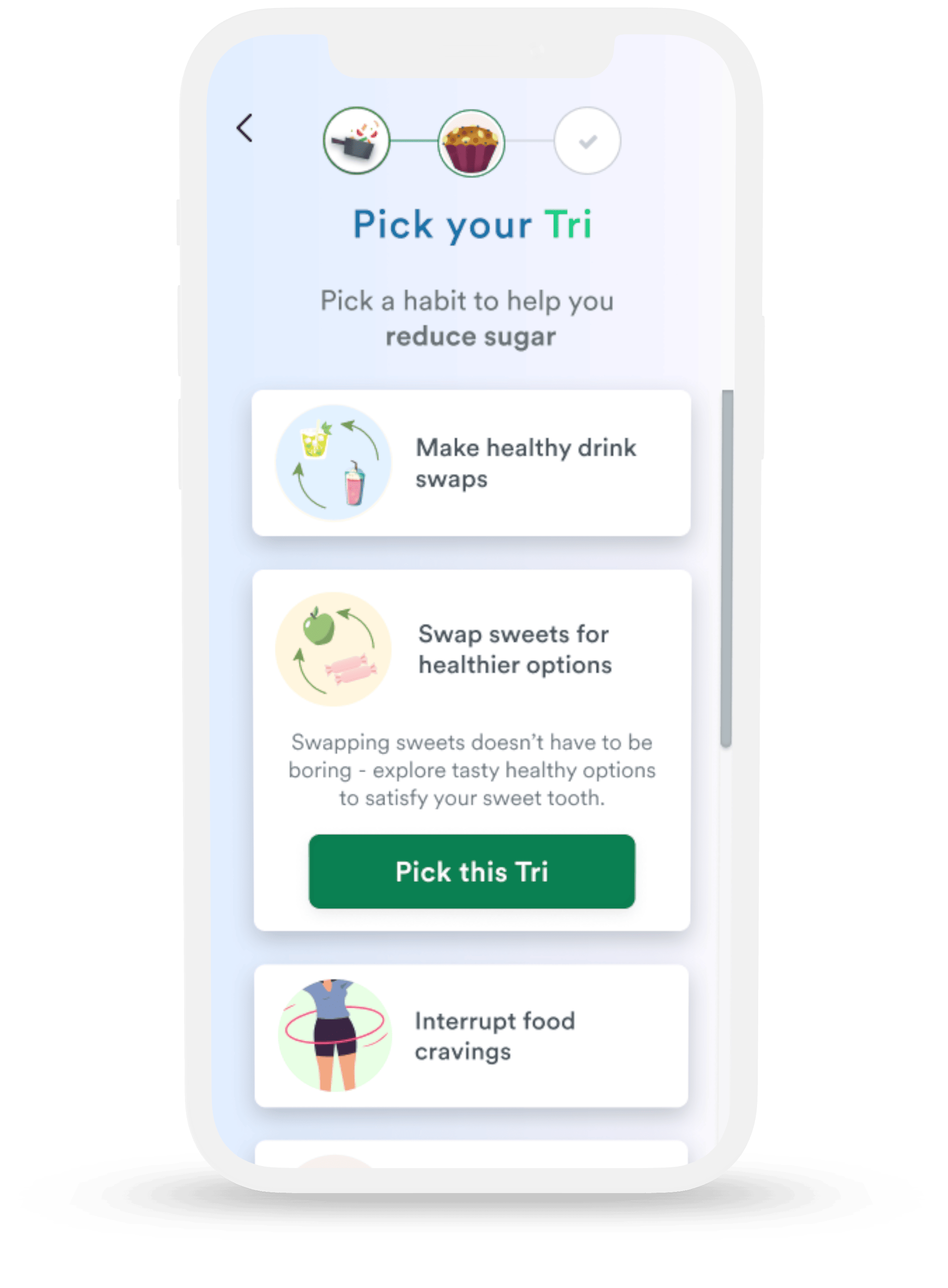
Ready to keep practicing your healthy holiday habits? Open the Fresh Tri app, check in with your habits, and tweak what needs tweaking. No guilt. No shame. Just you, showing up for yourself one more time.
Start building your Fresh Start Journey today, or take the Iterative Mindset Quiz to discover your mindset archetype and get personalized strategies for staying healthy during the holidays.