






What do I do after missing workouts? If you’ve been asking yourself this question, you’re probably standing at a familiar crossroads.
You’ve been walking every morning for two weeks. Then you miss Tuesday. And Wednesday. Now it’s Thursday, and you’re thinking: “Well, I already blew this week. Might as well start fresh on Monday.”
Or you’ve been packing lunches, eating well, and feeling good. Then you have three days of takeout, and suddenly you’re convincing yourself that the whole effort is ruined. Better to reset next week when you can “do it right.”
Here’s what’s actually happening: You’re confusing a gap with an ending.
A gap is just the space between attempts. An ending is when you start believing the gap means you failed.
And that decision…the one where you tell yourself you need to start over? That’s what is actually slowing you down.
What to Do After Missing Workouts: Understand the Gap
Let’s be clear about what happened. You didn’t fail and didn’t ruin anything. You hit a gap.
Life happened. You got busy…or got tired… or made a different choice.
That’s not a character flaw or evidence that “this doesn’t work for you.” It’s just a gap.
But here’s where things go wrong. When you hit that gap, your brain starts narrating:
“You were doing so well. Now you messed up. This doesn’t count anymore. You have to start over to do this the right way.”
This narrative triggers something specific in your brain. A tiny region called the habenula—essentially your motivation’s kill switch—sees the gap as failure. And when it detects failure, it shuts down everything that keeps you motivated to try again.
So you don’t just feel bad about missing a few days. You literally lose the neurological drive to continue.
That’s why “starting over on Monday” feels easier than picking up on Thursday. You’re avoiding the discomfort of continuing from an imperfect place.
But here’s the problem: starting over doesn’t build momentum. Continuing does.
Why “Picking Up Where You Left Off” Feels Harder (But Works Better)
When you pick up mid-stream—after missing a few days—it feels uncomfortable because you’re confronting the gap.
You’re not hiding behind a fresh start. Wiping the slate clean isn’t the priority. You accept and reframe, saying, “Yeah, I missed three days. And now I’m back.”
That requires something “starting over” doesn’t: self-compassion and tolerance for imperfection.
But that discomfort is exactly what makes it effective.
Every time you pick up after a gap without resetting, you’re teaching your brain something critical: Gaps don’t end the process.
You’re literally rewiring the neural pathways that connect effort and reward. You’re proving to your habenula that a miss isn’t a failure. It’s just a pause before the next attempt.
And the more you practice picking up, the less power the gap has over you.
What NOT to Do After Missing a Few Workouts
So what to do after missing workouts? The answer isn’t what most people think. You don’t need to punish yourself with extra sessions or “earn back” your progress. Just return to the pattern.
We talk about momentum like it’s a straight line. Once you get it going, you just have to maintain it, right?
Wrong.
Real momentum isn’t a continuous forward push. It’s a pattern of returning after gaps.
Think about it:
- The person who exercises consistently for years doesn’t do it every single day. They do it most days, miss some, and get back to it.
- The person who eats well long-term doesn’t have a perfect streak. They eat well most of the time, have pizza sometimes, and keep going.
- The person who builds lasting habits doesn’t avoid gaps. They just don’t let gaps become endings.
This is the foundation of the Iterative Mindset Method™: You don’t need perfection. You need persistence through imperfection.
Exactly What to Do After Missing Workouts (Step-by-Step)
Here’s exactly what to do after missing workouts (Whether you skipped two days or two weeks):
1. Acknowledge the gap, don’t apologize for it
“I missed three days” is a statement of fact. It doesn’t require shame, justification, or a vow to “do better.” Just note it and move on.
2. Do the accessible version of the habit today
You don’t need to make up for lost time. You just need to re-establish the pattern.
Planned to walk 30 minutes? Do 10.
Planned to meal prep five lunches? Make one.
Planned to meditate 15 minutes? Take three deep breaths.
The goal isn’t to perform. It’s to reconnect the habit loop (cue → behavior → reward) in your brain.
3. Resist the “make up for it” urge
Your brain will want to compensate. “I missed three days, so I’ll do extra today!”
Don’t. That creates pressure, and pressure triggers the habenula’s failure response when you can’t sustain it.
Just pick up at your normal level. The habit doesn’t need punishment or penance. It needs consistency.
4. Focus on “returns” instead of streaks
Stop counting consecutive days. Start noticing how quickly you return after a gap.
- Missed Monday and Tuesday, back on Wednesday? That’s a 1-day return. Good.
- Missed a week, back the next Monday? That’s a 1-day return after noticing. Also good.
The faster you return, the stronger your momentum actually is.
5. Ask one question: “What can I do today?”
Not “How do I fix this?” Not “How do I make up for it?” Just “What can I do today?”
That question pulls you back to the present, where action lives.
What Happens When You Keep Going After Missing Workouts
Here’s what happens when you practice picking up instead of starting over:
Your resilience grows. Each time you continue after a gap, you prove to yourself that gaps don’t end the process.
Your habits become flexible. You learn to adapt them to real life instead of requiring perfect conditions.
Your identity shifts. You stop being “someone who fails and restarts.” You become “someone who keeps going.”
And most importantly: Your brain stops fearing the gap.
The habenula’s failure response weakens. The gap loses its power to derail you. You build genuine, durable momentum.
The Gap Is Just Space. You’re Still Moving.
If you’re still wondering what to do after missing workouts, the answer is simple: Just do one workout. Not a perfect one. Not a punishing one. Just one normal workout that reconnects you to the habit.
Two weeks of daily walks, three days off, then pick up again—that’s not failure. That’s 11 days of walking in two weeks. It’s progress.
Three weeks of healthy eating, a weekend of takeout, then back to it—that’s not starting over. That’s building a sustainable pattern.
You’re not broken. The habit isn’t ruined. You just hit a gap.
So don’t wait for Monday. Don’t reset. Don’t start fresh.
Just pick up where you left off. Today.
That’s how real momentum is built—not through perfection, but through the repeated practice of continuing.
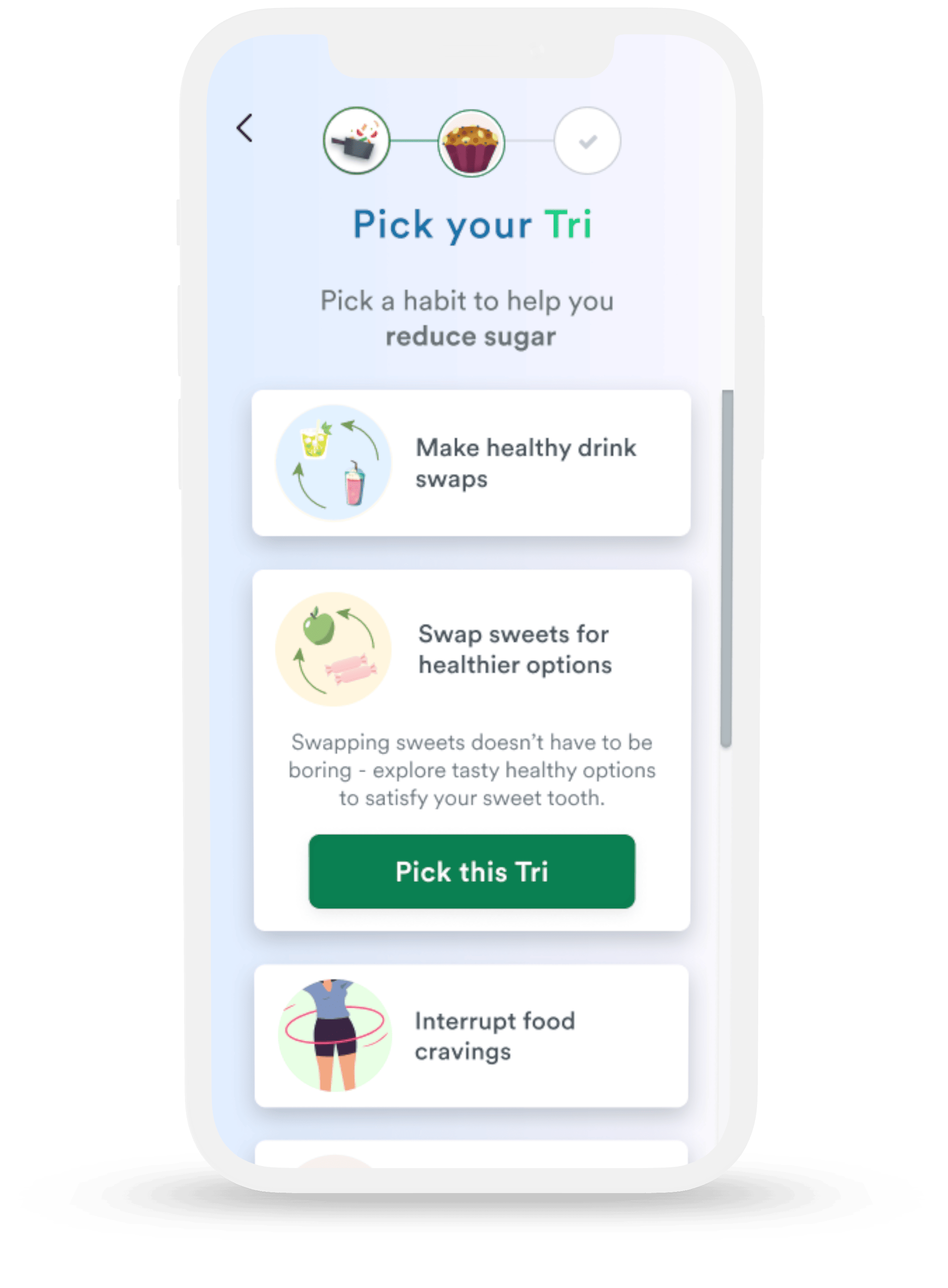
Ready to build habits that survive the gaps? The Fresh Tri app teaches you the Iterative Mindset Method™, a brain science-backed approach that helps you keep going even when life gets messy. Download the app or take the Iterative Mindset Quiz to discover your mindset portrait.