
Mental Health Is a Practice, Not a Performance
Every October, World Mental Health Day reminds us to pay attention to our inner world.
But there’s a hidden truth that’s easy to miss: the way we think about mental health is often part of the problem.
Somewhere along the way, caring for our minds turned into a kind of performance.
We measure how well we’re doing by how “positive” we seem. We push through exhaustion to look stable, balanced, even grateful. And when we can’t keep up—when anxiety rises again or motivation fades—we assume we’ve failed.
That belief isn’t just emotional. It’s neurological.
The Perfection Trap
Fresh Tri calls this “failure disease.” It’s a cultural and biological pattern that keeps millions of people stuck in cycles of shame and demotivation.
It starts with the systems around us. It’s workplaces, schools, social media and other societal pathways that reward polished happiness and punish honesty. When we’re struggling, we often feel like we’ve broken some unspoken rule of self-care: always be okay.
But the truth is, being human doesn’t look like a highlight reel. It looks like practice.
The Neuroscience of Feeling Defeated
Inside your brain, there’s a small but powerful structure called the habenula.
It acts like your brain’s “failure detector.”
When you think you’ve failed—whether you missed a workout, lost your temper, or can’t “stay positive”—the habenula switches on. Its job is to stop motivation in its tracks, shutting down dopamine and reward pathways.
That shutdown can feel like emotional flatness, hopelessness, or burnout. Not because you’re weak, but because your brain has entered a protection mode.
In short: the more we judge ourselves for struggling, the more our brain believes we’re unsafe to try again.
How Systems Reward Performance and Punish Honesty
Many parts of our culture reinforce this pattern.
Corporate wellness programs reward productivity over rest. Social media celebrates the “bounce back” more than the breakdown. Even self-help spaces sometimes imply that feeling low means you’re doing healing wrong.
But pretending to be fine when you’re not doesn’t strengthen resilience…it depletes it.
When you suppress your emotions, your brain stays on alert, keeping the habenula active and motivation suppressed.
This is why “fake it till you make it” can backfire. The body knows when you’re performing wellness instead of practicing it.
Fresh Tri’s Approach: Practice Over Perfection
At Fresh Tri, mental health isn’t about performance or perfection—it’s about practice.
Through the Iterative Mindset Method™, we teach that every attempt, regardless of the result, is data, not defeat. There’s no failing, only practicing.
That shift—away from judgment and toward iteration—literally changes your brain chemistry.
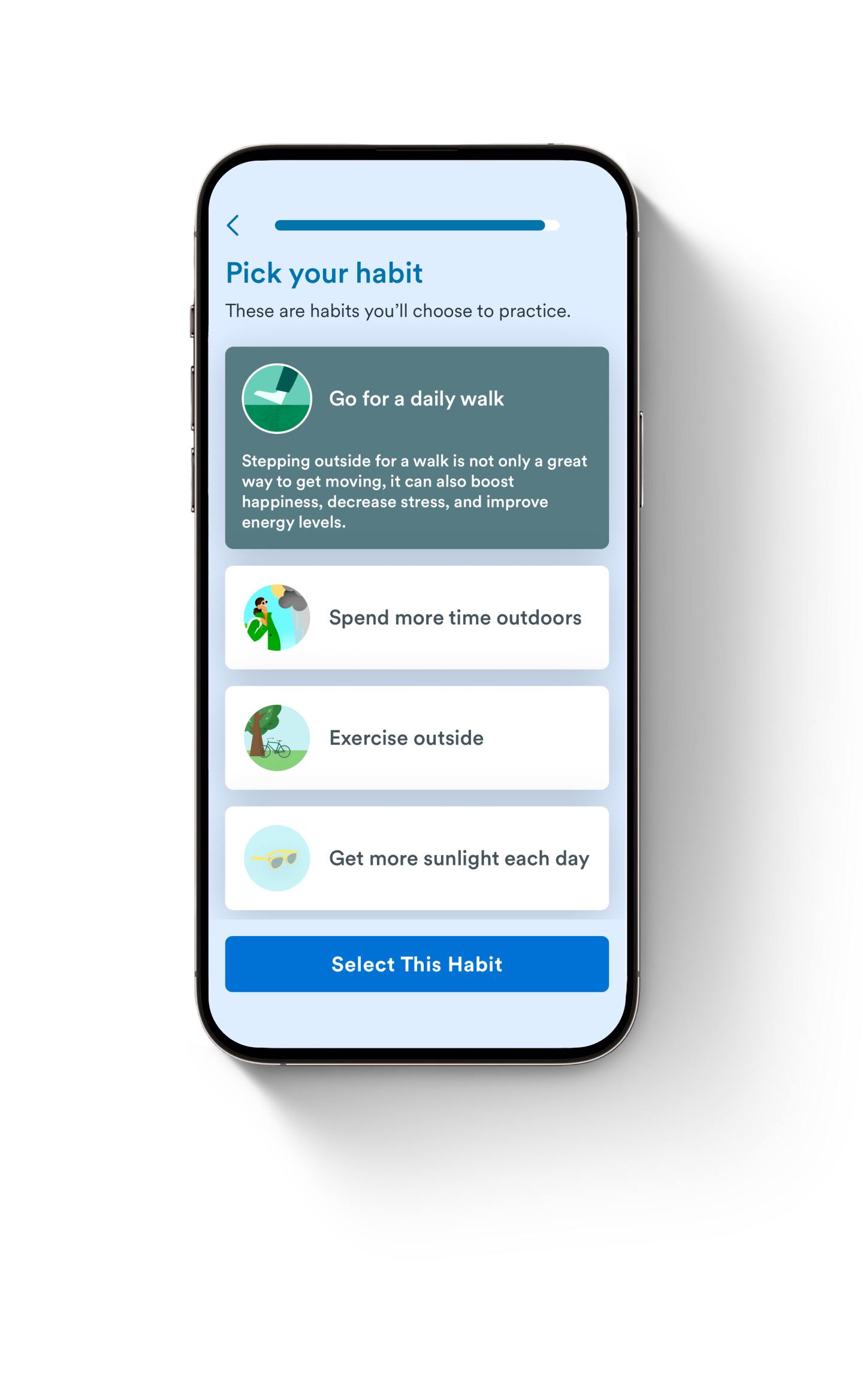
Simple daily practices like setting intentions, reflecting without criticism, and practicing gratitude can calm the habenula and reopen your natural motivation pathways.
In other words, kindness toward yourself is not indulgence. It’s neuroscience.
A New Way to Think About Mental Health
Your mental health is not a scorecard. It’s not a mood you’re supposed to maintain or a checklist to perfect. It’s a living practice. Something that shifts, grows, and adapts with you.
Some days, showing up looks like meditation or journaling.
Other days, it looks like getting out of bed, eating, and breathing.
Both count.
Because when you show up for yourself without the performance, you start to heal wounds left by the very system that told you you were failing.
Add Fresh Tri To Your Day For Progress Without Perfection: Download The Fresh Tri App Today.