Your Brain on Burnout
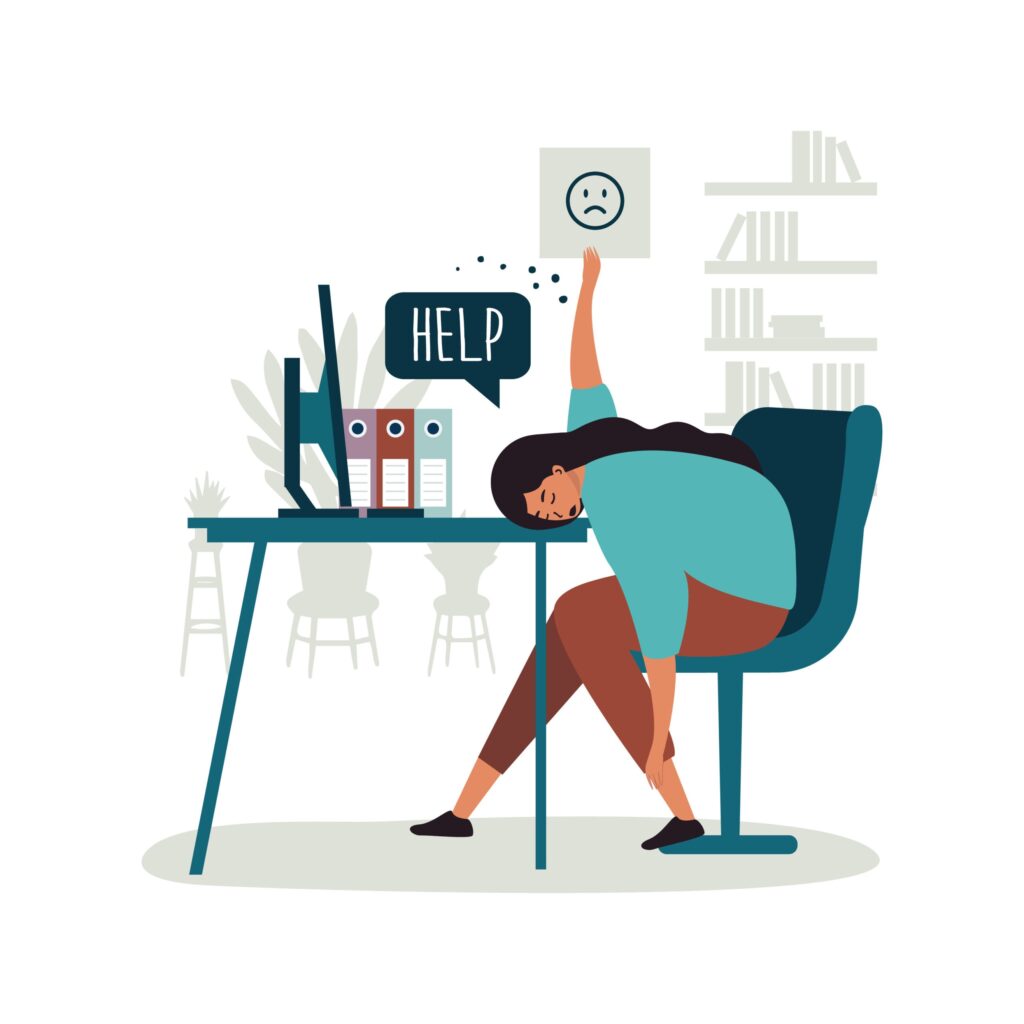
You’re tired. You’ve fallen behind. Your healthy habits feel miles away. Maybe you’re frustrated with yourself for “losing momentum.”
First of all, this isn’t failure.
It’s your brain trying to protect you.
Secondly, science has something to say about your experience—and it really makes a difference!
The Science of Burnout
Burnout isn’t a flaw in your character. It’s a neurological state. And it’s more common than you think.
Deep inside your brain is a small structure called the habenula. Think of it as your brain’s internal alarm system. When it detects failure or futility, it shuts down motivation. In other words, the habenula acts like a kill switch for motivation when you feel like you’ve “messed up.”
That mental fog, fatigue, or numbness? It’s not laziness. It’s your brain stepping in to shield you from the threat of repeated failure.
You’re not broken. You’re human. Your brain is doing exactly what it was designed to do.
Why Traditional Behavior Models Backfire
Most health and habit apps rely on streaks, checklists, and perfection-driven plans. The moment you “miss a day” or “break the streak,” the habenula reacts. It interprets it as failure and your motivation drops.
What happens next? Guilt. Avoidance. Shame. Eventually, you give up.
The “push through” model of behavior change doesn’t match how your brain works. It overloads your nervous system, activates your threat response, and makes it harder to get back on track.
It’s not about willpower. It’s the system that’s fails you, and that matters.
The Iterative Solution
With Fresh Tri, there is no failure. There’s practice, assessment, and learning what works for you.
This proven, neuroscience-backed approach honors how real behavior change happens in the brain: through iteration. That means trying, adjusting, and trying again, without shame.
You will:
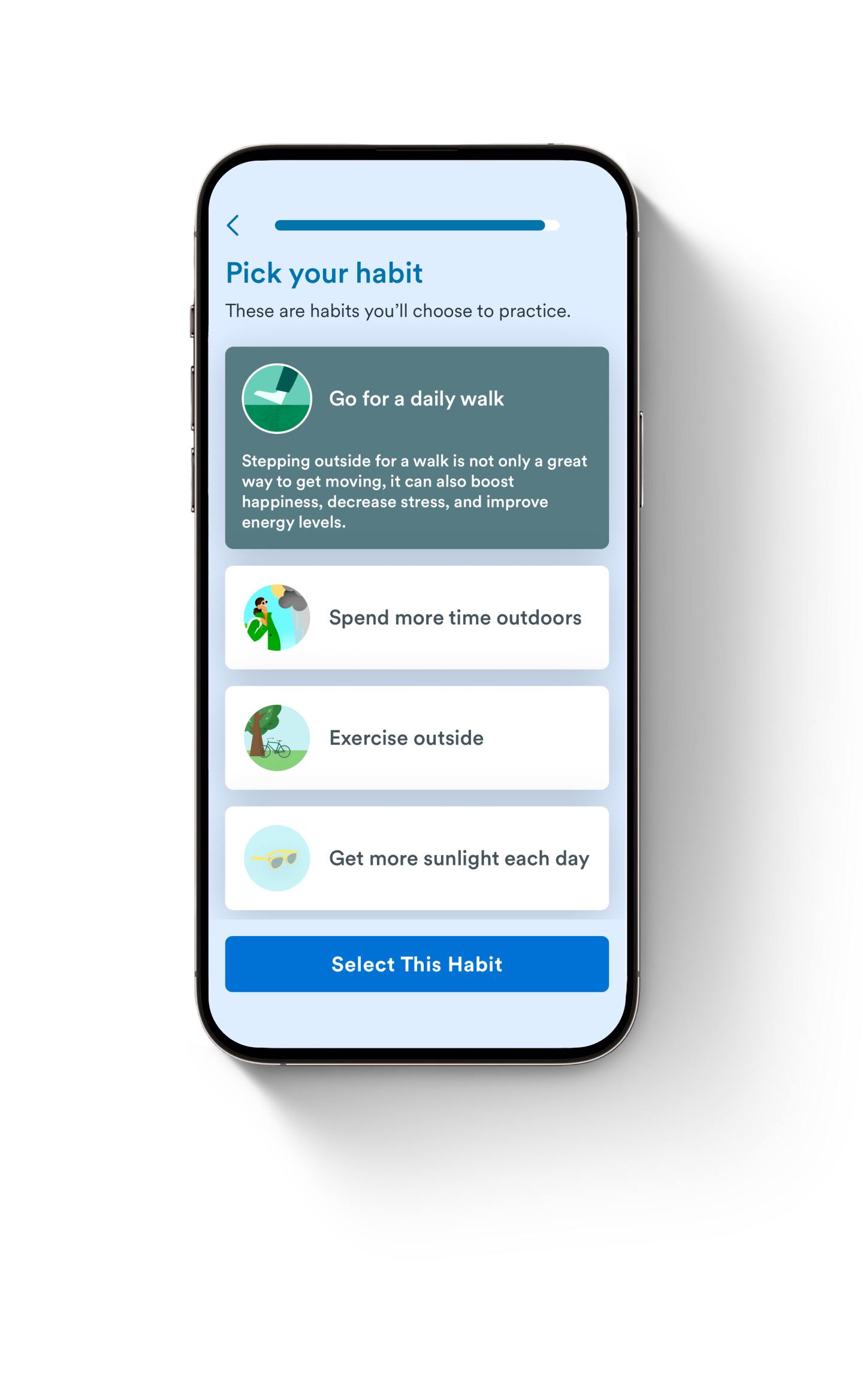
- Set daily intentions (no pressure to be perfect)
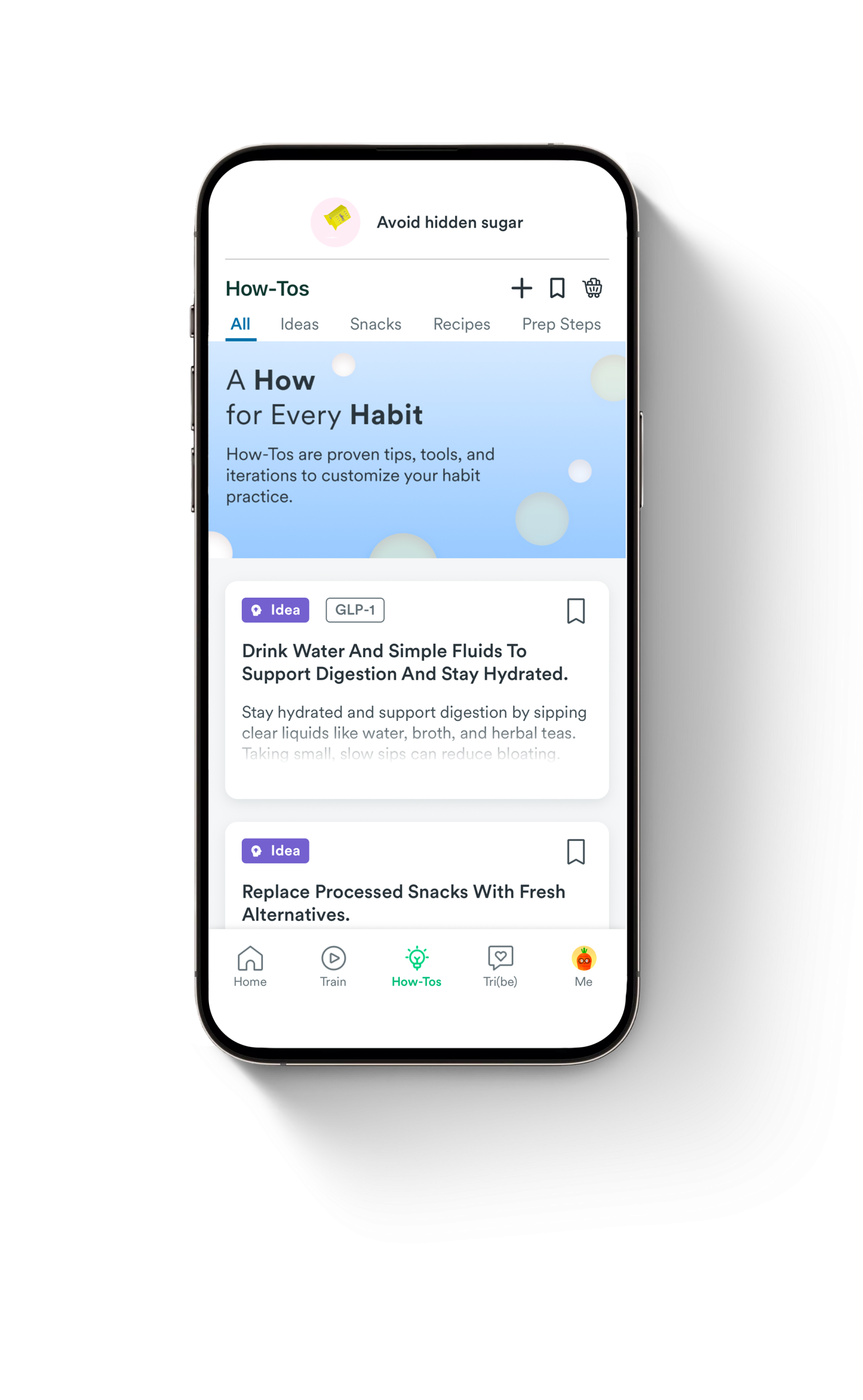
- Log your practice and iterations
- Reflect with gratitude, not guilt
No streaks. No pressure. Just practice.
Burn out is human nature. You don’t need to bounce back… simply begin again.
One iteration at a time.
Add Fresh Tri To Your Daily Plan
For more healthy habit ideas that work with your brain, download the Fresh Tri app today.